 Save
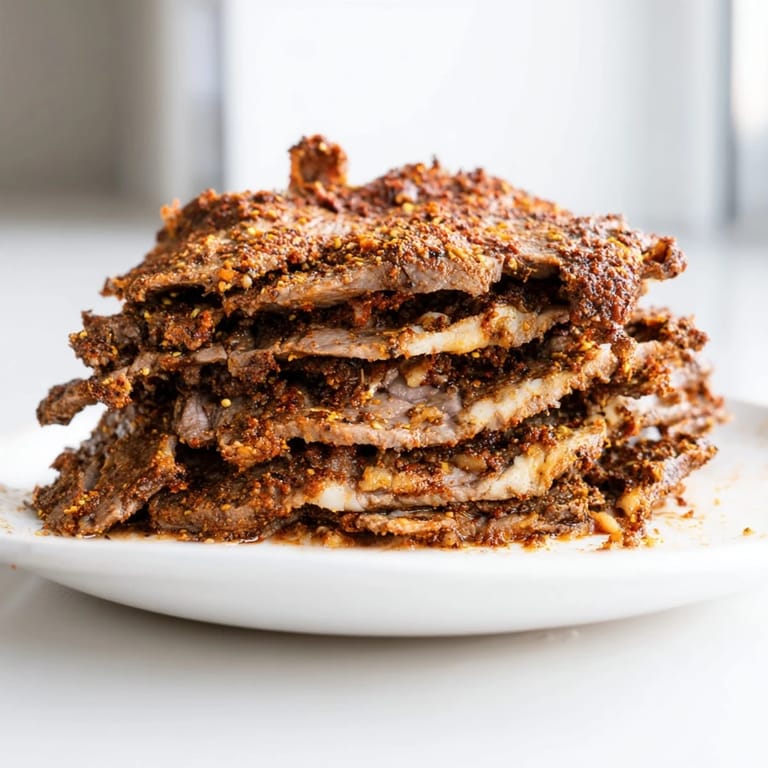
Save The first time I watched someone slice döner meat, the knife moved so fast it was almost a blur—thin ribbons of meat falling onto a plate, still steaming and glistening with spices. I realized then that döner isn't just about the meat; it's about patience, about layering flavors so deeply that every bite tastes like it's been cooking for hours. This recipe brings that magic into your kitchen, and honestly, once you taste it fresh, nothing else compares.
I made this for a small dinner party once, and watching my guests' faces when they bit into the first wrap—that moment when they realized the meat was seasoned perfectly all the way through—made me understand why döner stands are packed at midnight on every Istanbul street corner. It's comfort food that feels like it came from somewhere important.
Ingredients
- Boneless lamb shoulder or beef sirloin (1 kg, thinly sliced): The key is slicing it thin enough that you can see light through it; this lets the marinade penetrate every layer and ensures the meat cooks evenly and stays tender.
- Lamb fat or beef fat (100 g, thinly sliced, optional): This is what gives authentic döner its richness and keeps the meat from drying out as it roasts; don't skip it if you want that real flavor.
- Plain Greek yogurt (150 g): The yogurt is your secret weapon, tenderizing the meat while adding a subtle tang that balances the spices beautifully.
- Olive oil (3 tbsp): Choose good quality; it carries the flavors and helps create that golden crust.
- Garlic (3 cloves, minced): Mince it fine so it distributes evenly through every layer without leaving harsh chunks.
- Grated onion (1 large, juice squeezed out): The onion juice would make everything soggy, so squeeze it out; the grated onion adds sweetness and moisture without the liquid.
- Ground cumin (2 tsp): This is the backbone spice—warm, earthy, and unmistakably döner.
- Ground coriander (2 tsp): It adds a subtle citrus note that lifts the whole dish.
- Sweet paprika (2 tsp): This gives color and a gentle pepper flavor without heat.
- Smoked paprika (1 tsp): Just a touch makes people ask what that mysterious flavor is.
- Ground black pepper (1 tsp): Fresh ground is worth it here.
- Salt (1 ½ tsp): Season generously; the meat needs it to taste alive.
- Ground cinnamon (½ tsp): A pinch of warmth that makes the spice profile feel authentic.
- Chili flakes (½ tsp, optional): Add only if you want a gentle heat that builds with each bite.
Tired of Takeout? 🥡
Get 10 meals you can make faster than delivery arrives. Seriously.
One email. No spam. Unsubscribe anytime.
Instructions
- Build your marinade:
- Combine the yogurt, olive oil, minced garlic, squeezed grated onion, and all the spices in a large bowl. Stir until it looks like a thick paste; this is where all the flavor lives, so take a moment to really mix it well.
- Coat the meat:
- Add your thinly sliced meat and fat (if using) to the bowl and toss everything together with your hands until every piece is covered in that spiced yogurt. This is satisfying work, and you'll know you're done when nothing looks dry.
- Let time do the work:
- Cover the bowl and slide it into the fridge for at least 4 hours, though overnight is better. As it sits, the yogurt works its magic, tenderizing the meat while the spices sink in deeper.
- Prepare to roast:
- When you're ready to cook, preheat your oven to 200°C (400°F). If you're using a vertical rotisserie, follow its instructions; if you're using an oven, you'll thread the marinated meat onto metal skewers as tightly as possible, pressing down to build layers, or layer it in a loaf pan for that compact stack effect.
- Build the heat:
- Place your skewers or loaf pan on a rack set over a baking tray (to catch all those precious juices), then slide everything into the oven. Every 15-20 minutes, baste the meat with the pan juices; this keeps it moist and builds an incredible crust.
- Finish strong:
- After about 1 hour, bump the temperature up to 220°C (430°F) for the last 15 minutes to get that deep golden-brown color and slight char on the edges that makes your mouth water.
- Rest and slice:
- Pull it out of the oven and let it sit for 10 minutes; this keeps the juices from running everywhere when you slice. Using a very sharp knife, slice the meat as thin as you can manage, and serve it immediately while it's still warm.
 Save
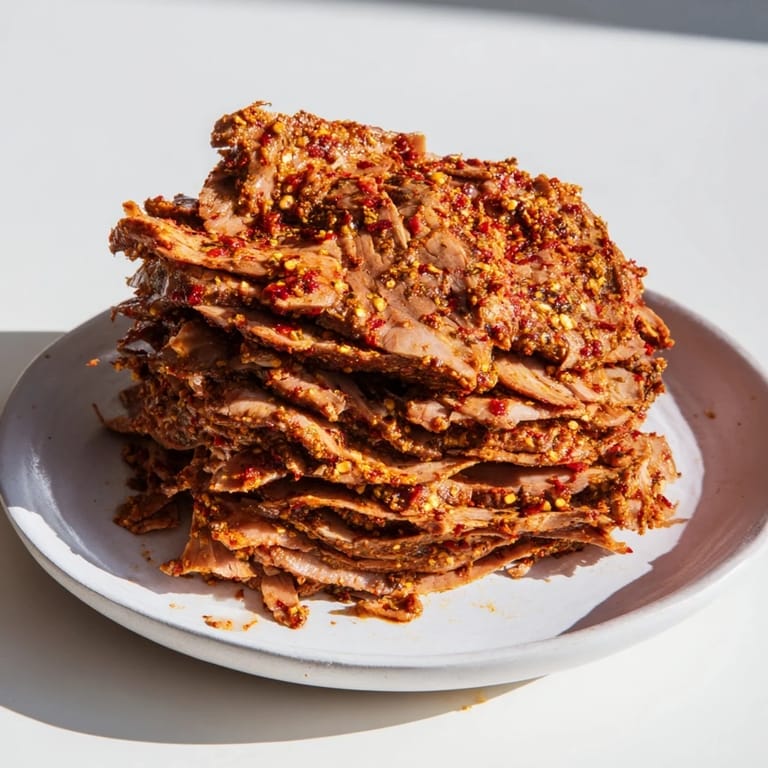
Save There's something almost sacred about the smell of döner cooking, that moment when every spice—the cumin, the cinnamon, the paprika—fills your entire kitchen and makes everything feel warm and purposeful. That smell alone is worth making this recipe.
The Marinade is Everything
I used to think döner was complicated until I realized the real work happens in the marinade, not at the stove. The yogurt, the spices, the oil—they're not just flavoring the meat, they're transforming it into something tender and fragrant that almost cooks itself. Respect the marinade, give it time, and the rest becomes easy.
Layering Creates Texture
When you thread the meat onto skewers or pack it tightly into a pan, you're creating layers that roast together—the inside stays juicy while the outside edges get that slight char and crust that makes every bite interesting. The tighter you pack it, the better it holds together as it cooks and the more evenly it browns.
Building Your Perfect Wrap
The beauty of döner is how it becomes a canvas for whatever you have on hand, so don't feel bound by tradition—make it yours. Warm your flatbread until it's soft and pliable, layer on the sliced meat while it's still hot, then add whatever toppings call to you, a good yogurt sauce or garlicky cream to tie everything together.
- Toast your flatbread lightly so it holds up to the juices without falling apart.
- Slice your vegetables just before serving so they stay crisp and bright.
- Never skip the sauce—it's what makes the whole thing come together and taste complete.
 Save
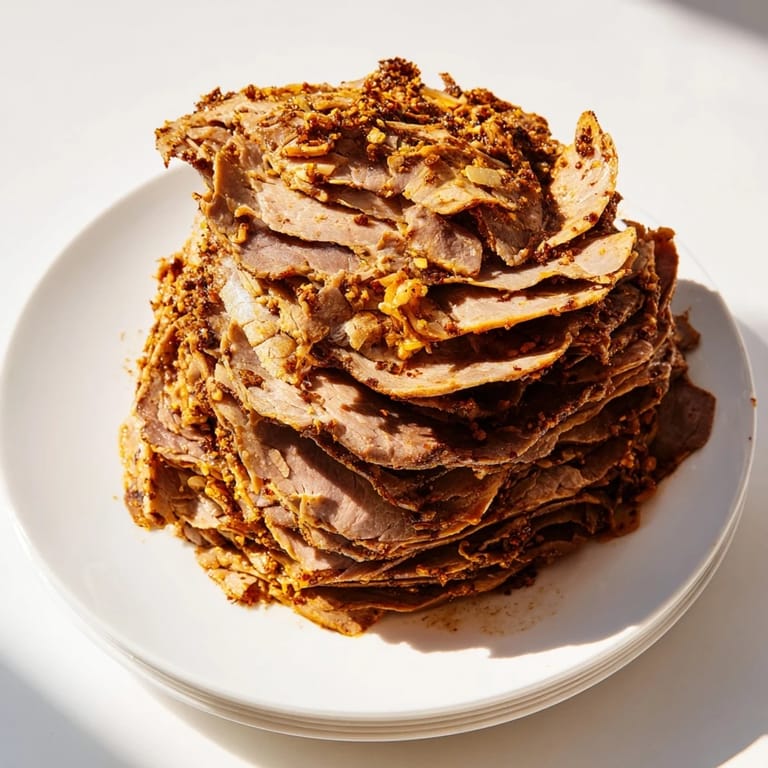
Save Once you've made this, you'll understand why döner has become a global obsession—it's sophisticated enough to impress, simple enough to make on a regular Tuesday, and absolutely delicious every single time. Make it once and you'll make it again and again.
Recipe FAQ
- → What cuts of meat are best for this dish?
Boneless lamb shoulder or beef sirloin works best to achieve tender, juicy layers after marinating and roasting.
- → How long should the meat marinate?
Marinating for at least 4 hours is recommended, though overnight yields the most flavorful and tender results.
- → Can this be prepared without a vertical rotisserie?
Yes, the marinated meat can be layered tightly on metal skewers or in a loaf pan and roasted in the oven using a rack and tray.
- → What spices contribute to the flavor profile?
Ground cumin, coriander, sweet and smoked paprika, black pepper, cinnamon, and optional chili flakes create a balanced warm and aromatic seasoning.
- → What are ideal accompaniments for serving?
Warm flatbreads, sliced tomatoes, onions, shredded lettuce, cucumber, and yogurt or garlic sauce complement the rich meat layers perfectly.