 Save
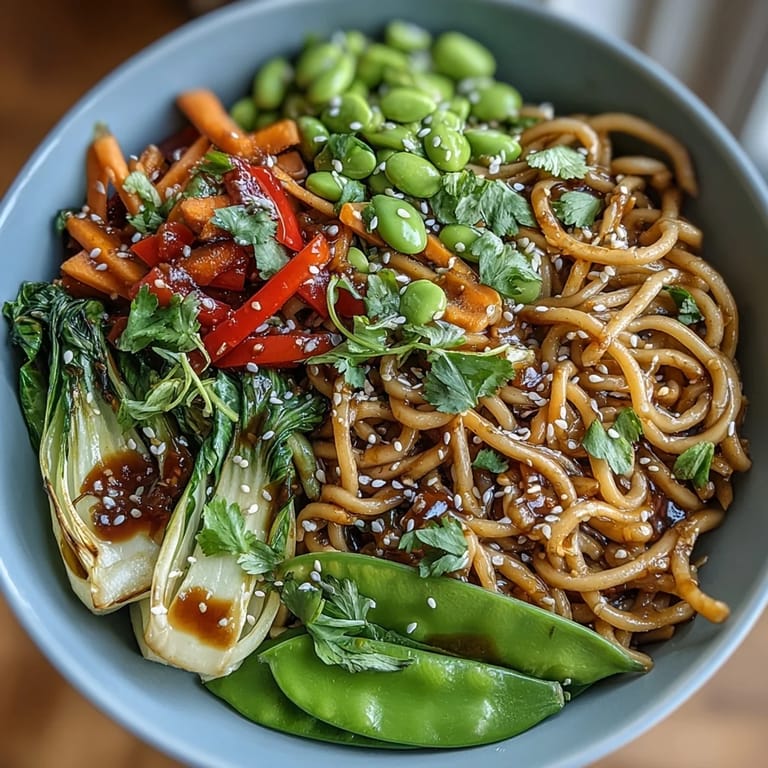
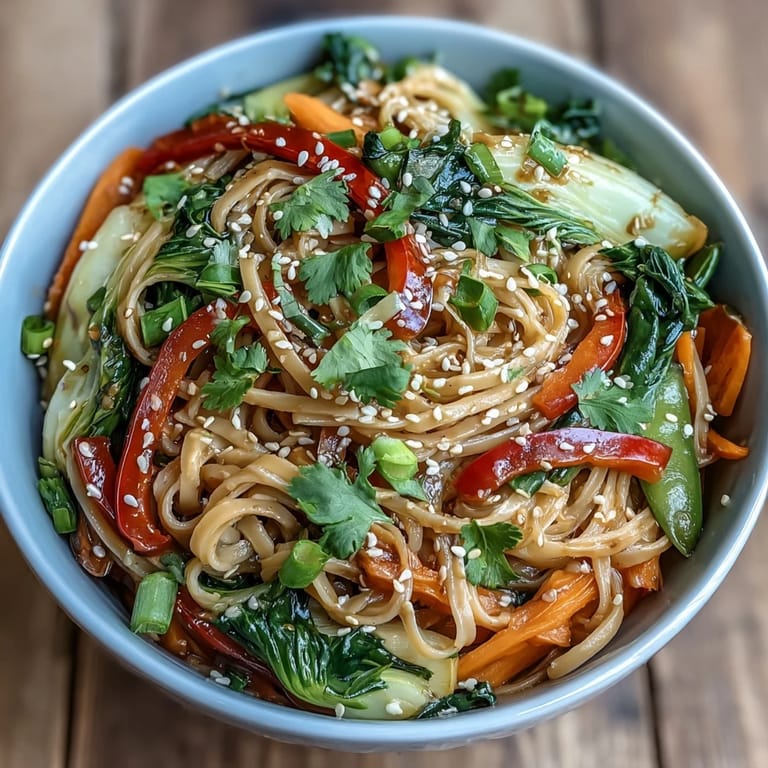
Save The first time I truly understood what a shirataki noodle bowl could be, I was standing in my kitchen on a Tuesday evening, skeptical about those rubbery noodles everyone kept raving about. A friend had left a package at my place after raving about them, and curiosity finally won out over doubt. I threw them into a hot wok with whatever vegetables were lounging in my crisper drawer, whipped up a quick ginger sauce, and suddenly I had something bright, fragrant, and impossibly satisfying that felt nothing like a compromise meal. It became my answer to that 8 PM hunger that hits when you want something nourishing without the heaviness.
I made this for my sister last month when she was visiting and mentioned feeling stuck in a food rut, and watching her actually go back for seconds—without me asking—told me everything I needed to know. She borrowed the recipe, and now she texts me photos of her variations from different countries she's traveling through. That's when you know a recipe has real staying power.
Ingredients
- Shirataki noodles (400 g, drained and rinsed): These are the foundation, and honestly, the rinsing step matters more than people think—it removes that slightly fishy smell and gives you a cleaner canvas for the sauce.
- Bok choy (1 cup, sliced): It wilts just enough to soften without turning into mush, and its mild sweetness balances the spicy-savory sauce beautifully.
- Red bell pepper (1/2, thinly sliced): The color isn't just pretty; it brings a slight sweetness and a crisp texture that holds up through the cooking.
- Snow peas (1/2 cup, trimmed): They stay snappy and add a whisper of natural sweetness that makes you forget how light this meal actually is.
- Carrot (1 medium, julienned): The thin cuts cook quickly and add both crunch and a subtle earthiness that grounds the brighter flavors.
- Green onions (2, thinly sliced): Save half for garnish—the raw bite at the end reminds you of what just happened in the pan.
- Tamari or gluten-free soy sauce (2 tbsp): Tamari tastes smoother and less salty than regular soy sauce, which I learned after one too many overly aggressive bowls.
- Rice vinegar (1 tbsp): This brings the brightness without harshness, keeping everything in balance.
- Toasted sesame oil (1 tbsp): Use the toasted version, not the light kind—it's the difference between a good sauce and one that makes you close your eyes and wonder why you ever thought takeout was necessary.
- Fresh ginger (1 tbsp, finely grated): Freshly grated is non-negotiable; the ground stuff fades into the background, but fresh ginger sings.
- Garlic clove (1, minced): Just one, because you want ginger as the star—too much garlic drowns it out.
- Maple syrup (1 tsp, optional): A tiny touch adds roundness, especially if your vegetables lean toward the bitter side.
- Chili flakes (1/2 tsp, optional): This is where you can make it yours—use more if you like heat, skip it if you prefer gentle warmth.
- Toasted sesame seeds (1 tbsp) and fresh cilantro or basil (optional): The garnish is where the dish goes from good to memorable, so don't skip this part even when you're tired.
Tired of Takeout? 🥡
Get 10 meals you can make faster than delivery arrives. Seriously.
One email. No spam. Unsubscribe anytime.
Instructions
- Prep and cook the shirataki:
- Drain the noodles, rinse them thoroughly under cold water, then boil them for exactly 2 minutes—this removes any remaining funkiness and gives them a better texture. Drain and pat them dry; this step is tedious but it keeps them from clumping together in the pan.
- Make the sauce:
- Whisk everything together in a small bowl—tamari, rice vinegar, sesame oil, ginger, garlic, maple syrup, and chili flakes—and set it aside. You'll know it's right when the aroma hits you and you can smell the ginger dominating everything else.
- Start the vegetables:
- Heat your skillet or wok over medium-high heat until it's genuinely hot; you should feel the heat rising from the pan before you add anything. Add the carrot, bell pepper, and snow peas and stir constantly for 2 to 3 minutes until they're starting to soften but still have resistance when you bite down.
- Finish the vegetables:
- Toss in the bok choy and green onions and cook for another minute or two, stirring continuously, until the bok choy just starts to wilt.
- Bring it together:
- Add the dried shirataki noodles to the pan, pour the sauce over top, and toss everything constantly for 2 to 3 minutes until the noodles are heated through and everything is glistening with sauce. The whole bowl should smell like ginger and sesame at this point.
- Plate and finish:
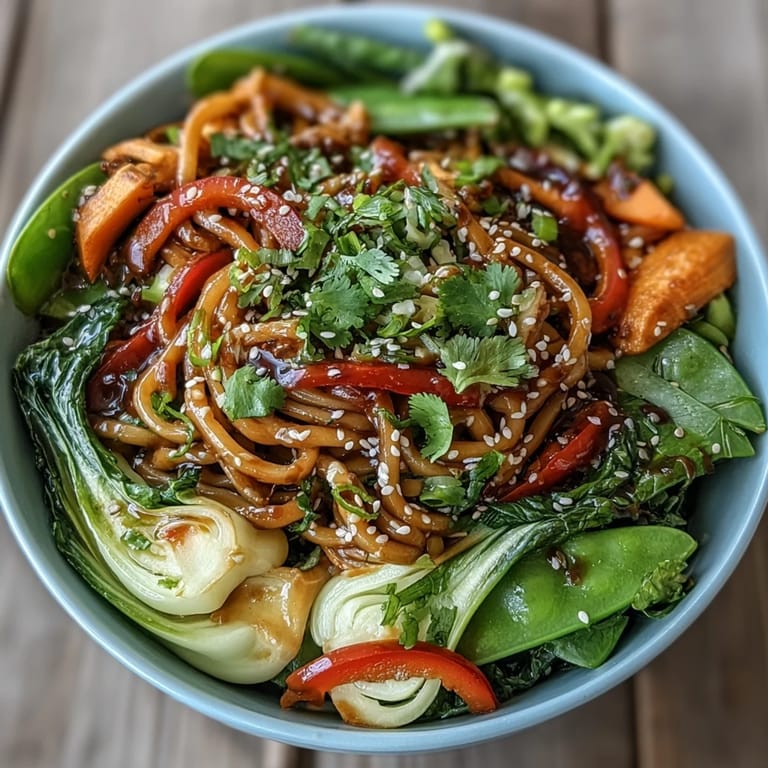
- Divide between bowls and immediately scatter toasted sesame seeds and fresh herbs on top—the warmth will slightly soften the herbs and make their flavor brighter.
 Save
Save There's something quietly powerful about eating a bowl this vibrant and knowing you're nourishing yourself instead of just filling a void. It's become my go-to when I need to feel like I have things figured out, even if it's just for dinner.
Why Shirataki Noodles Changed My Cooking
For years I thought low-carb eating meant restriction and sadness, until I realized it could just mean different—not less. Shirataki noodles taught me that sometimes the best meals come from working within limitations rather than fighting against them. The moment I stopped viewing them as a substitute and started seeing them as their own thing, everything clicked into place. They're absorbent, neutral, and when prepared correctly, they become a vehicle for whatever sauce you're excited about rather than the main event themselves.
The Science of the Ginger Sauce
I used to think the sauce was just flavor, but it's actually the entire structure of the bowl—it's what makes you want to keep eating when you're already full. The combination of sesame oil and rice vinegar creates an emulsion that clings to every noodle and vegetable, while the ginger and garlic provide aromatics that tell your brain this is something worth paying attention to. Maple syrup acts as a bridge between the hot and cold notes, and the chili flakes add just enough tension to make every bite feel alive. You could literally eat steamed vegetables with this sauce and be satisfied, which tells you how much work it's actually doing.
Ways to Make This Your Own
The beauty of this bowl is that it's a framework, not a rulebook. I've made versions with broccoli and mushrooms when carrots weren't around, swapped cilantro for Thai basil, added a scoop of tahini to make it creamier, and even thrown in some grilled tofu because protein felt necessary that particular evening. The sauce is flexible enough to handle whatever vegetables you have, and the cooking method is forgiving enough that small variations won't derail you. What matters is that the ginger sauce stays consistent and the vegetables maintain some texture—everything else is negotiable.
- For protein, grilled tofu, tempeh, or shrimp transform this into a complete meal without overshadowing the vegetables.
- A squeeze of fresh lime juice at the end adds brightness and makes the whole bowl feel more vibrant.
- Double the sauce recipe if you like things saucier—there's no such thing as too much ginger sauce when it's balanced like this.
 Save
Save This bowl has become my quiet anchor on busy days—something I can make without thinking, that tastes like care, and that leaves me feeling better than before I started eating. That's the real win.
Recipe FAQ
- → What do shirataki noodles taste like?
Shirataki noodles have a mild, neutral taste that absorbs flavors from sauces and seasonings. Their texture is slightly gelatinous and springy compared to wheat pasta.
- → Why boil shirataki noodles before cooking?
Boiling removes any natural odor from the konjac root and helps improve the texture, making them more palatable and ready to absorb the ginger sauce.
- → Can I add protein to this bowl?
Yes, grilled tofu, tempeh, edamame, or cooked shrimp work wonderfully. Add them during the last 2 minutes of cooking to warm through.
- → Is this dish keto-friendly?
Absolutely. With only 10 grams of carbohydrates per serving, this bowl fits perfectly into a low-carb or ketogenic eating plan.
- → How long does this keep in the refrigerator?
Store assembled bowls in an airtight container for up to 3 days. The noodles will continue absorbing sauce, so you may want to add fresh dressing when reheating.
- → Can I use regular soy sauce instead of tamari?
Yes, though tamari is typically gluten-free. If you don't need this to be gluten-free, regular soy sauce works perfectly fine in the ginger sauce.