 Save
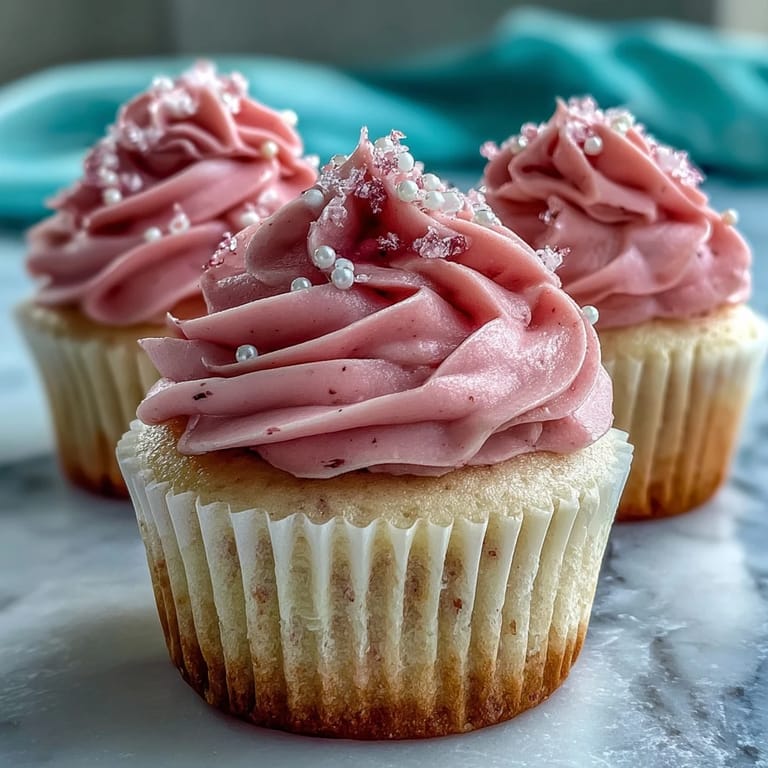
Save My neighbor knocked on the door one Saturday morning holding a pink bakery box, and inside were the palest blush cupcakes I'd ever seen. She wouldn't tell me where she got them, just smiled and said I should figure it out myself. That challenge stuck with me for weeks until I finally cracked the secret: cake flour, buttermilk, and just a whisper of vinegar to keep everything impossibly tender. Now I bake these whenever I want to see that same mysterious smile on someone else's face.
I made these for my daughter's eighth birthday, and she insisted on helping me pipe every single swirl. Her frosting looked like soft-serve ice cream towers, mine like cautious little clouds. We laughed so hard we had to take breaks, and by the end, the kitchen counter was dusted in powdered sugar like fresh snow. Those lopsided cupcakes were gone in minutes, and she still asks if we can make the pink ones again whenever her friends come over.
Ingredients
- Cake flour: This is the secret to that cloud-like crumb; if you don't have it, the cornstarch trick works beautifully to lighten all-purpose flour.
- Baking powder and baking soda: The combo gives you both lift and tenderness, and the soda reacts with the buttermilk to create those tiny air pockets.
- Unsalted butter: Room temperature is non-negotiable here; cold butter won't cream properly, and melted butter will deflate your batter.
- Granulated sugar: Creaming it with the butter for a full few minutes is what traps air and makes the cupcakes light.
- Egg: One large egg at room temp binds everything without weighing it down; cold eggs can cause the batter to curdle.
- Buttermilk: The slight tang balances all that sweetness, and the acidity tenderizes the gluten for a softer bite.
- Vanilla extract: Pure extract makes a difference you can actually taste, especially in the frosting.
- White vinegar: Just a teaspoon activates the baking soda and helps the pink color stay true and bright.
- Pink gel food coloring: Gel won't thin your batter like liquid does; start with less and add more until you reach your ideal blush.
- Powdered sugar: Sifting it prevents gritty frosting and makes everything whip up smoother and fluffier.
- Heavy cream: A splash loosens the buttercream to the perfect pipeable consistency without making it runny.
Tired of Takeout? 🥡
Get 10 meals you can make faster than delivery arrives. Seriously.
One email. No spam. Unsubscribe anytime.
Instructions
- Prep your pan:
- Line that muffin tin while your oven heats up so everything's ready when your batter is. A properly preheated oven means even rise and no sunken centers.
- Sift the dry ingredients:
- Whisking cake flour, baking powder, baking soda, and salt together ensures no clumps and even distribution of leavening. Set this bowl aside; you'll need it soon.
- Cream butter and sugar:
- Beat the butter until it's smooth, then add sugar gradually and whip for a full two to three minutes until the mixture looks pale and fluffy. This step is where the magic happens, trapping air that makes your cupcakes rise.
- Add the egg:
- Lightly beat it first so it blends in smoothly without scrambling. Mix on low speed until fully incorporated, then stir in the vanilla.
- Alternate dry and wet:
- Add a third of the flour, then half the buttermilk, then another third of flour, the rest of the buttermilk, and finish with the last of the flour. Scrape down the bowl between additions and mix just until combined; overmixing makes tough cupcakes.
- Tint the batter:
- Stir vinegar and pink gel together in a small cup, then pour it into your batter on low speed. Mix until the color is even and lovely.
- Fill the liners:
- Divide batter evenly, about two-thirds full in each cup, then tap the pan gently on the counter to pop any air bubbles. This prevents weird holes in your finished cupcakes.
- Bake until just done:
- Eighteen to twenty-two minutes is usually perfect; a toothpick should come out clean or with a few moist crumbs. Overbaking will dry them out, so start checking at eighteen minutes.
- Cool completely:
- Let them rest in the pan for five minutes, then move to a wire rack. Frosting warm cupcakes will melt your buttercream into a puddle.
- Make the buttercream:
- Beat room-temperature butter until creamy, then add powdered sugar gradually and beat until smooth. Stir in vanilla, cream, and a pinch of salt, then whip on medium-high until light and fluffy.
- Pipe or spread:
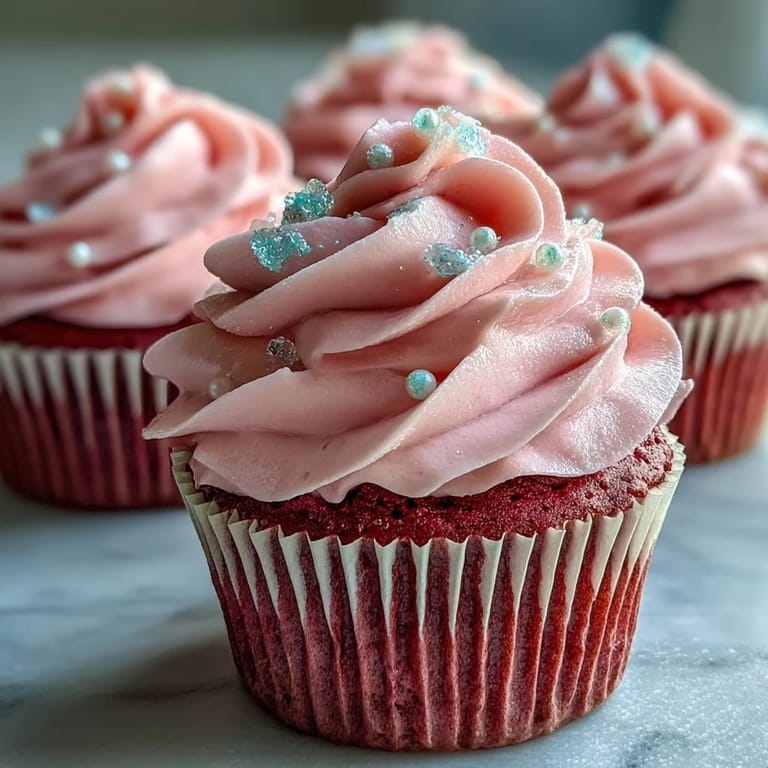
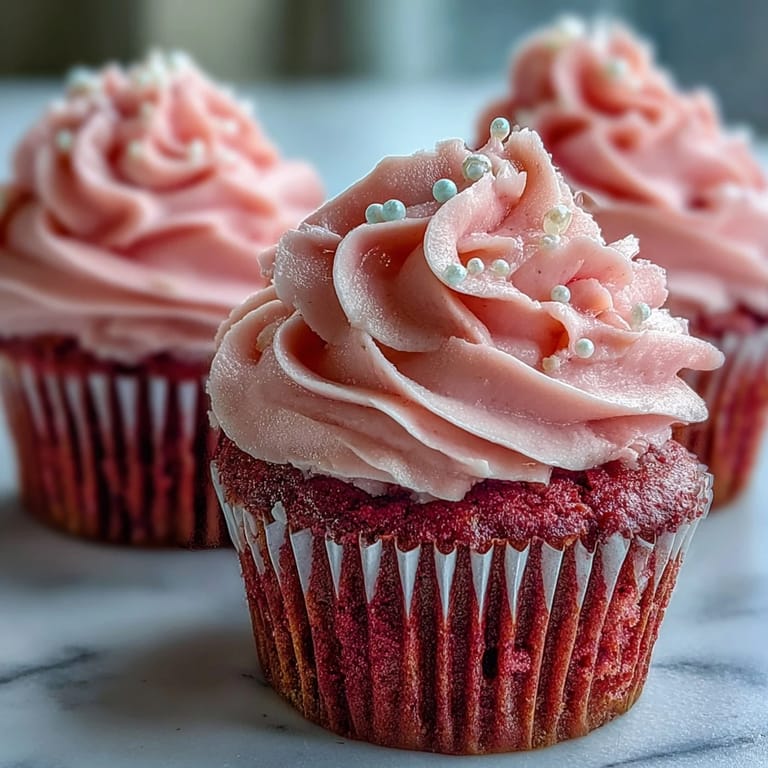
- Use a piping bag with your favorite tip for bakery-style swirls, or just spread it on with an offset spatula for a homey look. Sprinkle with anything that makes you happy.
 Save
Save One winter evening, I brought a dozen of these to a potluck, and a friend who never eats dessert quietly took a second cupcake when she thought no one was looking. Later, she texted me asking for the recipe, and I knew I'd made something that could win over even the skeptics. That's the power of a cupcake that tastes as good as it looks.
How to Store and Keep Them Fresh
Frosted cupcakes can sit in an airtight container at cool room temperature for up to two days, but I've never had a batch last that long. If you need to make them ahead, bake and cool the cupcakes completely, then wrap them tightly in plastic wrap and store at room temp for a day or freeze for up to a month. Thaw them on the counter before frosting, and they'll taste just as fresh as the day you baked them.
Flavor Variations Worth Trying
I've swirled raspberry jam into the batter before baking for little pockets of fruity surprise, and I've also folded in white chocolate chips for extra sweetness. A friend of mine adds a teaspoon of almond extract instead of vanilla, which gives the whole thing a subtle marzipan vibe that's absolutely lovely. You can also tint the frosting a deeper pink or leave it pure white for a classic look that still feels special.
Troubleshooting and Little Fixes
If your cupcakes dome too much in the center, your oven might be running hot; try dropping the temperature by ten degrees next time. Sunken centers usually mean underbaking or opening the oven door too early, so resist peeking until at least fifteen minutes in. Dry cupcakes often come from overbaking or using cold ingredients that don't emulsify properly, so double-check your timing and temperatures.
- Use an oven thermometer to make sure your oven is actually at 350 degrees, not 375.
- Fill liners evenly using a cookie scoop so every cupcake bakes at the same rate.
- If buttercream curdles, keep beating; it usually comes back together after a minute or two of patience.
 Save
Save These cupcakes have become my go-to whenever I need to say congratulations, I'm sorry, or just because, and they've never let me down. I hope they bring as much joy to your kitchen as they have to mine.
Recipe FAQ
- → What gives pink velvet cupcakes their signature texture?
The combination of buttermilk and white vinegar creates the signature velvet texture. These ingredients react together to produce an exceptionally tender, moist crumb with a subtle tanginess that balances the sweetness perfectly.
- → Can I make these cupcakes ahead of time?
Yes, unfrosted cupcakes can be stored in an airtight container at room temperature for up to 2 days. For best results, frost them the day you plan to serve. Frosted cupcakes also keep well for 2 days in a cool, dry place.
- → How do I achieve the perfect pink color naturally?
For a natural pink hue, substitute beet powder for gel food coloring. Start with ½ teaspoon and adjust until you reach your desired shade. Keep in mind that natural coloring may produce a softer, more muted pink tone.
- → What's the best way to store leftover cupcakes?
Store frosted cupcakes in an airtight container at cool room temperature away from direct sunlight for up to 2 days. If your kitchen is particularly warm, refrigerate them but bring to room temperature before serving for the best texture and flavor.
- → Can I use all-purpose flour instead of cake flour?
Absolutely. Simply substitute 1¼ cups of all-purpose flour sifted with 2 tablespoons of cornstarch. This combination mimics the lower protein content of cake flour, ensuring your cupcakes remain tender and light.
- → Why is room-temperature butter important?
Room-temperature butter creates air pockets when beaten with sugar, leading to a lighter, more tender crumb. Cold butter won't incorporate properly, resulting in dense cupcakes. Let your butter sit out for 30–60 minutes before beginning.