 Save
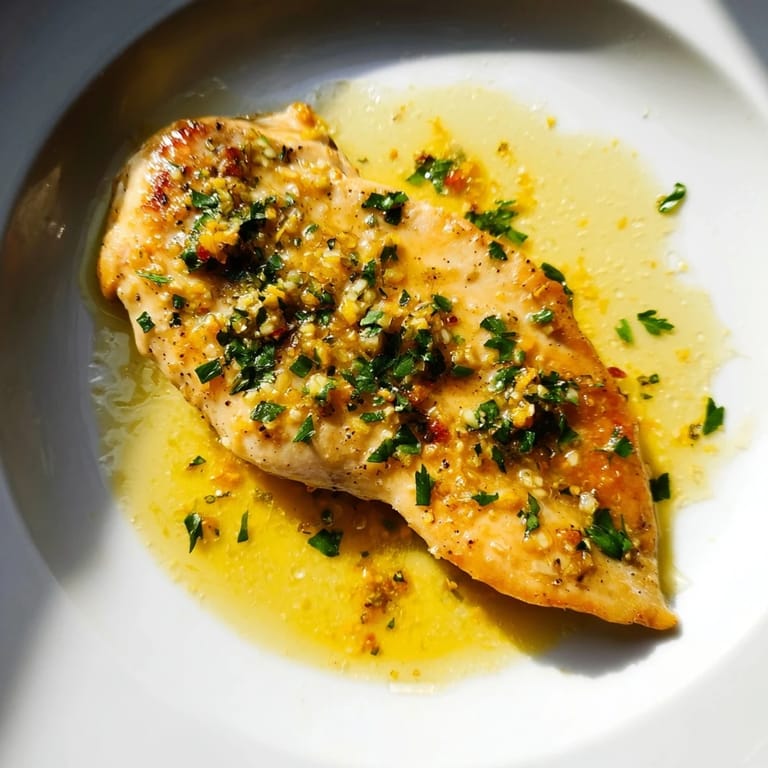
Save The scent of lemon zest hitting hot butter is one of those kitchen smells that stops me in my tracks every time. I started making this lemon pepper chicken on weeknights when I needed something that felt special but didn't demand an hour of my time. The first batch came out so golden and glossy that I stood at the stove eating straight from the pan, fork in hand, before anyone else got home. It's become my go-to when I want to feel like I'm treating myself without the fuss of a complicated recipe. That bright, peppery sauce clinging to tender chicken never gets old.
I made this for my sister once when she came over stressed from work, and she sat at my kitchen table in silence for the first few bites before finally saying it was exactly what she needed. There's something about the combination of buttery richness and sharp citrus that feels both comforting and revitalizing at the same time. We ended up talking for hours that night, and now she texts me whenever she makes it herself. It's funny how a simple chicken dinner can become a little tradition between people. I think the ease of it makes room for everything else that matters.
Ingredients
- Boneless, skinless chicken breasts: I always pat them completely dry before seasoning because any moisture will prevent that beautiful golden sear from forming.
- Salt and black pepper: Don't be shy with the pepper here, it's half the personality of the dish and builds flavor in layers.
- All-purpose flour: A light dredge gives the chicken a delicate crust that holds onto the sauce beautifully without feeling heavy.
- Olive oil: I use this for the initial sear because it can handle the heat without burning, keeping everything clean tasting.
- Unsalted butter: The base of the sauce, and using unsalted lets you control the seasoning perfectly as it melts into the pan drippings.
- Garlic: Just two cloves minced fine, they bloom in the butter and fill the kitchen with the kind of smell that makes people wander in asking what's for dinner.
- Lemon zest and juice: The zest adds aromatic oil and the juice brings acidity that cuts through the richness, I always zest before juicing to make life easier.
- Fresh parsley: Optional but worth it, a handful of chopped parsley at the end adds a pop of color and a hint of freshness that balances everything.
Tired of Takeout? 🥡
Get 10 meals you can make faster than delivery arrives. Seriously.
One email. No spam. Unsubscribe anytime.
Instructions
- Prep the chicken:
- Use paper towels to blot every bit of moisture off the chicken breasts, then season both sides generously with salt and pepper. This step seems small but it's the difference between a pale, steamed piece of chicken and one with a proper crust.
- Dredge lightly:
- Drag each breast through the flour and shake off the excess so you're left with just a whisper of coating. Too much flour will make it gummy, too little and you lose that slight crispness.
- Sear the chicken:
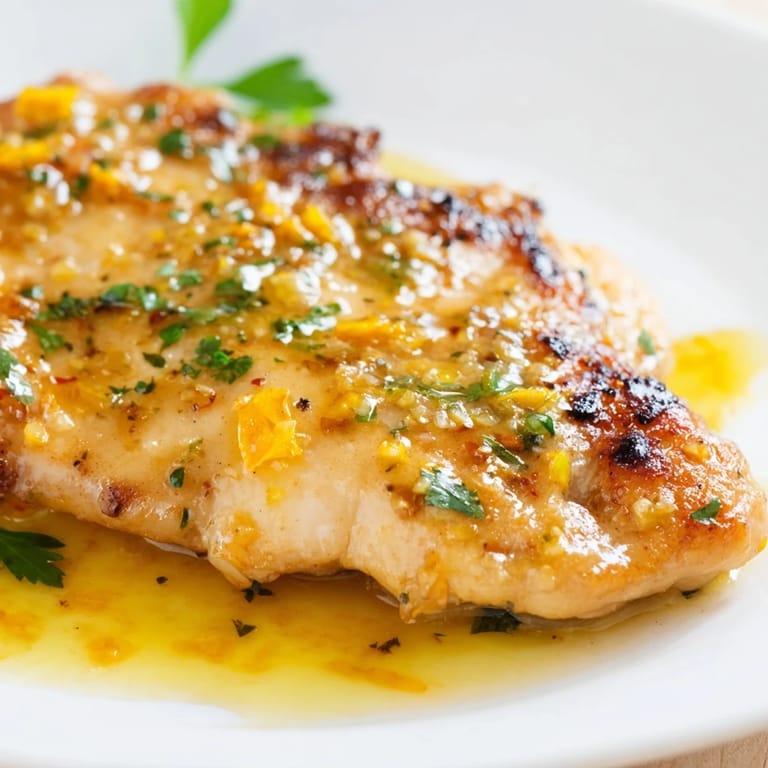
- Heat the olive oil in your skillet until it shimmers, then lay the chicken in gently and let it cook undisturbed for five to six minutes per side. You'll know it's ready to flip when it releases easily from the pan and has a deep golden color.
- Make the sauce base:
- Once the chicken is out and resting, drop the butter into the same hot skillet and let it melt, then add the garlic and stir for just thirty seconds. The garlic should smell fragrant and toasty but not brown.
- Build the lemon pepper sauce:
- Stir in the lemon zest, juice, and a good grind of black pepper, then let it bubble gently while you scrape up all those browned bits stuck to the pan. Those bits are pure flavor and they'll dissolve right into the sauce.
- Finish and serve:
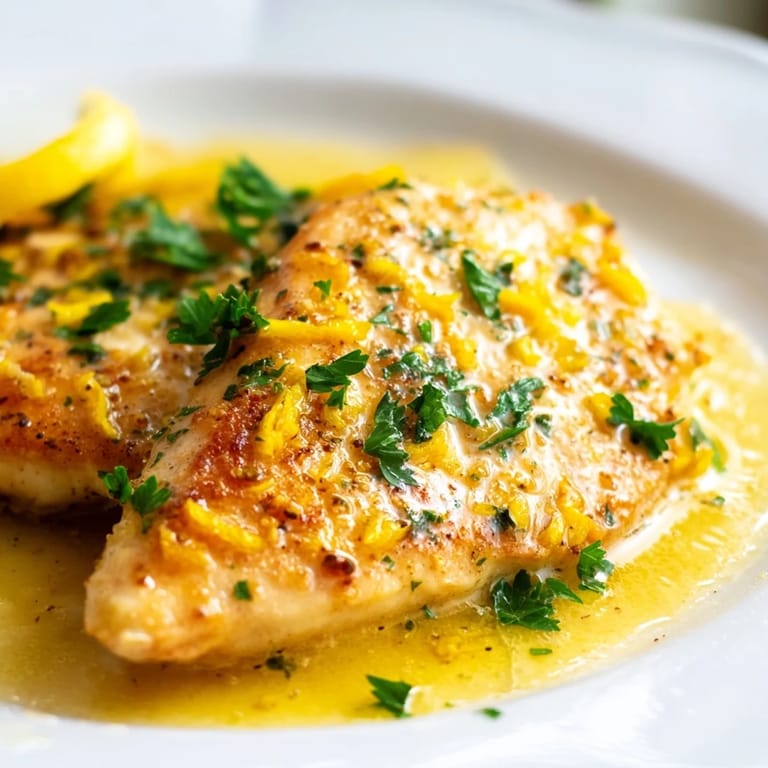
- Nestle the chicken back into the skillet, spoon that glossy sauce over the top, and let everything warm together for a minute or two. Scatter parsley over it if you have some and serve immediately while it's still glistening.
 Save
Save There was an evening last spring when I made this and ate it outside on my back steps as the sun went down, and I remember thinking that sometimes the best meals are the ones you make just for yourself. The lemony brightness felt like the season, and I soaked up every bit of sauce with a piece of crusty bread I had left over from the weekend. It wasn't fancy, but it felt like taking care of myself in a way that mattered. I've made it a dozen times since, and it still brings me back to that quiet moment. Food has a way of holding onto feelings like that.
Serving Suggestions
This chicken is rich enough to stand on its own but light enough to pair with almost anything. I love serving it over a pile of fluffy white rice that soaks up the sauce, or alongside garlic mashed potatoes if I'm feeling indulgent. A simple arugula salad with a squeeze of lemon and shaved parmesan balances the richness beautifully. Roasted asparagus or green beans work too, especially if you toss them in the same pan after the chicken comes out. Keep it simple and let the chicken be the star.
Variations to Try
If you like a little heat, a pinch of red pepper flakes stirred into the sauce gives it a gentle kick without overwhelming the lemon. I've also swapped the chicken breasts for boneless thighs when I want something a bit richer and more forgiving, just add a minute or two to the cooking time. You can make this with skin-on chicken too, but you'll want to start it skin-side down and render some of that fat before flipping. For a dairy-free version, substitute the butter with olive oil or a plant-based butter, it won't be quite as luscious but it still works. Sometimes I add a splash of white wine to the sauce before the lemon juice, and it deepens the flavor in a really nice way.
Storage and Reheating
Leftovers keep well in an airtight container in the fridge for up to three days, and I often slice the chicken and toss it into a grain bowl or wrap for lunch the next day. To reheat, I prefer using a skillet over low heat with a splash of water or chicken broth to loosen the sauce and keep the chicken from drying out. The microwave works in a pinch, but cover it with a damp paper towel and use fifty percent power to avoid rubbery texture. You can also shred leftover chicken and stir it into pasta with a little extra lemon and parmesan for a completely different meal.
- Always store the chicken and sauce together so the meat stays moist and flavorful.
- Reheat gently and add a tiny bit of butter or broth to bring the sauce back to life.
- If you're meal prepping, consider cooking the chicken and storing the sauce separately to keep the crust from getting soggy.
 Save
Save This lemon pepper chicken has earned its place in my weekly rotation because it delivers big flavor without demanding much from me. I hope it becomes one of those reliable recipes you reach for when you need something quick, satisfying, and just a little bit special.
Recipe FAQ
- → How do I know when the chicken is fully cooked?
Use a meat thermometer to check that the internal temperature reaches 74°C (165°F). The chicken should be golden brown on the outside with no pink inside. If unsure, cut into the thickest part—the juices should run clear.
- → Can I use chicken thighs instead of breasts?
Yes, chicken thighs work wonderfully and stay juicier during cooking. They'll need slightly longer cooking time—about 7–8 minutes per side depending on thickness. Check that they reach 74°C (165°F) internally before serving.
- → How should I store leftovers?
Store cooled chicken and sauce in an airtight container in the refrigerator for up to 3 days. Reheat gently in a skillet over low heat with a splash of water or broth to prevent drying out. You can also freeze for up to 3 months.
- → What can I serve with lemon pepper chicken?
This pairs beautifully with rice pilaf, creamy mashed potatoes, or roasted vegetables. A fresh garden salad or steamed asparagus adds a nice contrast. For grain-free options, try cauliflower rice or zucchini noodles.
- → Can I make this recipe ahead of time?
You can prepare the ingredients—pound and season the chicken, make the sauce components—up to 2 hours ahead. However, cook the chicken fresh for best results. The sauce reheats well, making it ideal for meal prep.
- → How can I add more flavor to the sauce?
Consider adding red pepper flakes for heat, fresh thyme or rosemary for depth, or a splash of white wine before the lemon juice. A pinch of honey balances tartness, while capers or olives add complexity.