 Save
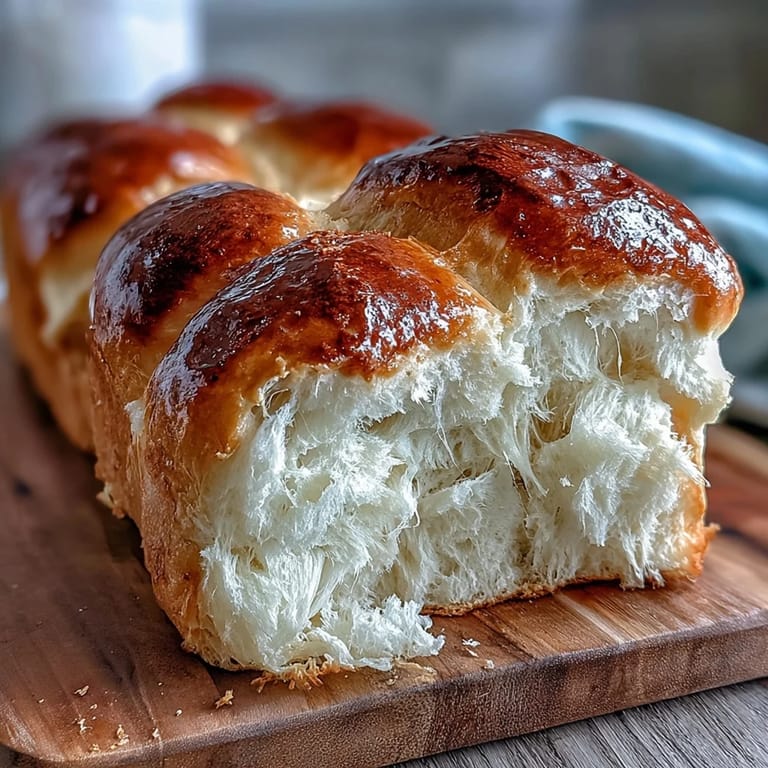
Save The first time I tried Japanese Milk Bread, I was mesmerized by how impossibly soft each slice felt in my hands. The gentle spring of the loaf, and the way it filled the kitchen with a hint of sweetness, offered a quiet thrill I hadn’t expected from a humble bread recipe. There was something calming about whisking flour and milk together in the early morning silence, as the tangzhong bloomed on the stove. This bread isn’t just about the result but the small, tactile joys along the way. Even on busy weeks, I find myself setting aside time to make it just for that cloudlike texture.
I’ll never forget the evening I made a loaf with a friend who had never tried milk bread before. We laughed over our unevenly rolled logs, marveling as the kitchen filled with the aroma of baking yeast and butter, each impatient minute making us more eager to cut into the finished bread.
Ingredients
- Bread Flour: Essential for that high-protein lift the milk bread needs—don’t swap all-purpose unless absolutely necessary, as it won’t yield the fluffiness you’re dreaming of.
- Whole Milk: Using whole milk gives each bite its luscious softness, and I’ve noticed substituting reduces the pillowy texture.
- Instant Yeast: This cuts down on proofing time and always gives me a reliable rise—just be sure your yeast is fresh for the most impressive loaf.
- Unsalted Butter: Softened butter makes kneading easier and melts smoothly into the dough, making the crumb tender and delicate.
- Sugar: Not just for taste—the tiny bit of sweetness enhances the bread’s golden top and gives complexity to each bite.
- Egg: Adds richness and structure; room temperature is key since a cold egg will slow down your dough’s rise.
- Fine Sea Salt: Balances all the flavors—if you forget it, the bread will taste flat, as I once discovered the hard way.
Tired of Takeout? 🥡
Get 10 meals you can make faster than delivery arrives. Seriously.
One email. No spam. Unsubscribe anytime.
Instructions
- Make the Tangzhong:
- Gently whisk together flour, water, and milk in a small saucepan over medium heat, watching as it transforms into a smooth, glossy paste in just a few minutes. Let it cool until it feels just slightly warm to the touch—you want it cozy, not hot.
- Combine Dough Ingredients:
- In your largest bowl (or the bowl of a stand mixer), mix the bread flour, sugar, salt, and yeast, then pour in the lukewarm Tangzhong, milk, and egg. Stir until a rough, shaggy dough forms and all is moistened—no need to be neat here.
- Knead Until Smooth:
- Add in the softened butter and knead the dough for 10–15 minutes by hand or with a dough hook—you’ll feel it become elastic and just tacky, with the surface turning from rough to silky.
- Let it Rise:
- Put your dough in a greased bowl, cover, and place it somewhere warm. After about an hour, it should have doubled in size and feel pleasantly puffy beneath your fingertips.
- Shape the Loaf:
- Lightly punch the dough down to deflate, then divide into three pieces. Roll each into a rectangle and fold, then roll up into tidy logs—don’t worry if they aren’t perfect, they’ll puff up beautifully in the oven.
- Second Rise:
- Arrange the logs side by side in a greased loaf pan, cover, and let rise again until the dough nearly reaches the top—usually around 35 minutes, depending on your kitchen temperature.
- Bake to Golden:
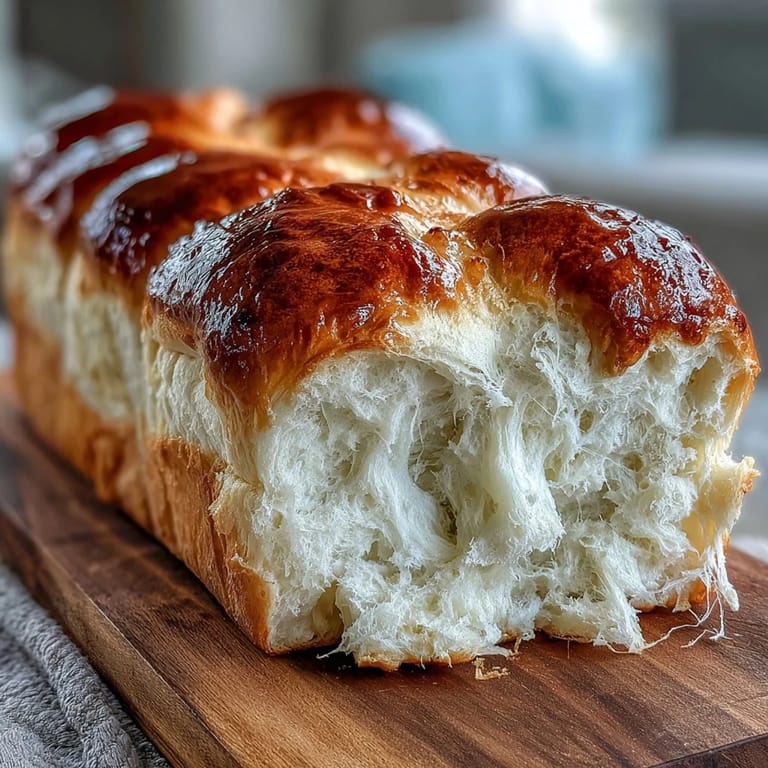
- Preheat your oven to 350°F (175°C). Brush the loaf with milk for a glistening crust, then bake for about 30 minutes, until the top is burnished gold and the loaf sounds hollow when tapped.
- Cool and Slice:
- Let the bread rest in its pan for 10 minutes before tipping it onto a rack. Patience pays off—wait until fully cool to slice, so each piece holds its shape.
 Save
Save  Save
Save I still vividly recall cutting the first slice, steam rising and butter melting instantly—my family gathered around, savoring even the crumbs. That loaf vanished before it fully cooled, turning a simple afternoon into a small, shared celebration.
Getting Tangzhong Just Right
The tangzhong should resemble a soft pudding by the time it’s finished—if you overcook and it clumps, just whisk vigorously off the heat to smooth it out. This step makes the bread keep its dreamy softness for days, so don’t skip it.
Making the Most of Your Loaf
This bread isn’t just for sandwiches—I’ve made the most satisfying toasted breakfast, slathered with butter and a pinch of sea salt. It also makes a gentle base for bread pudding or French toast the next morning, barely needing syrup.
Quick Fixes and Small Triumphs
More than once, I’ve forgotten to brush the top with milk before baking; it’s worth that tiny extra step for shine. Handy tip: if you find the loaf browning too quickly, tent it with foil during the last 10 minutes of baking—it keeps the top perfect without drying out the crumb. Whenever I make this, I’m reminded that even small tweaks can make a world of difference.
- Always check your yeast’s freshness for a successful rise.
- Letting the bread cool fully helps preserve its texture.
- Enjoy a slice the day after baking for maximum flavor bloom.
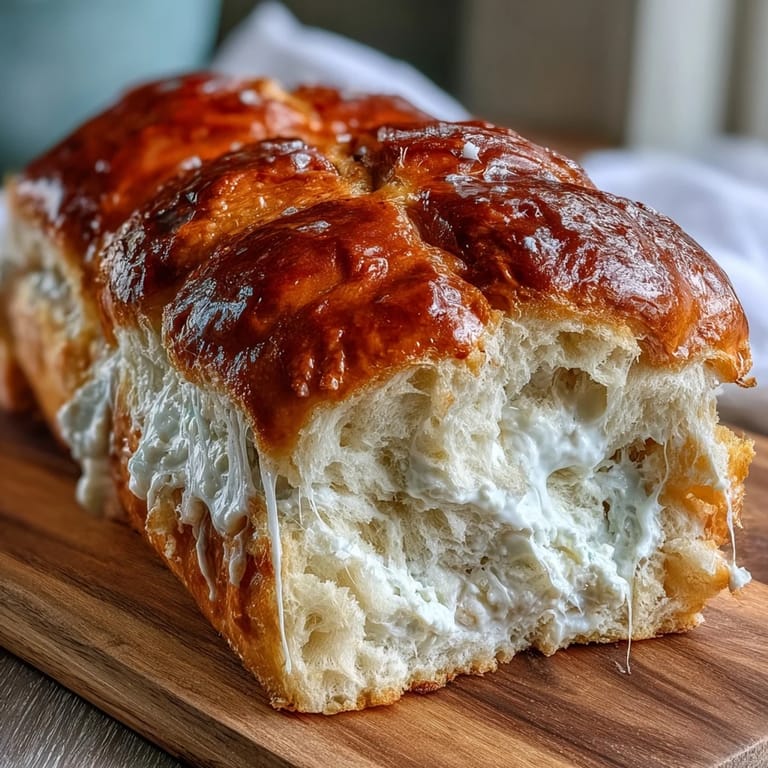 Save
Save 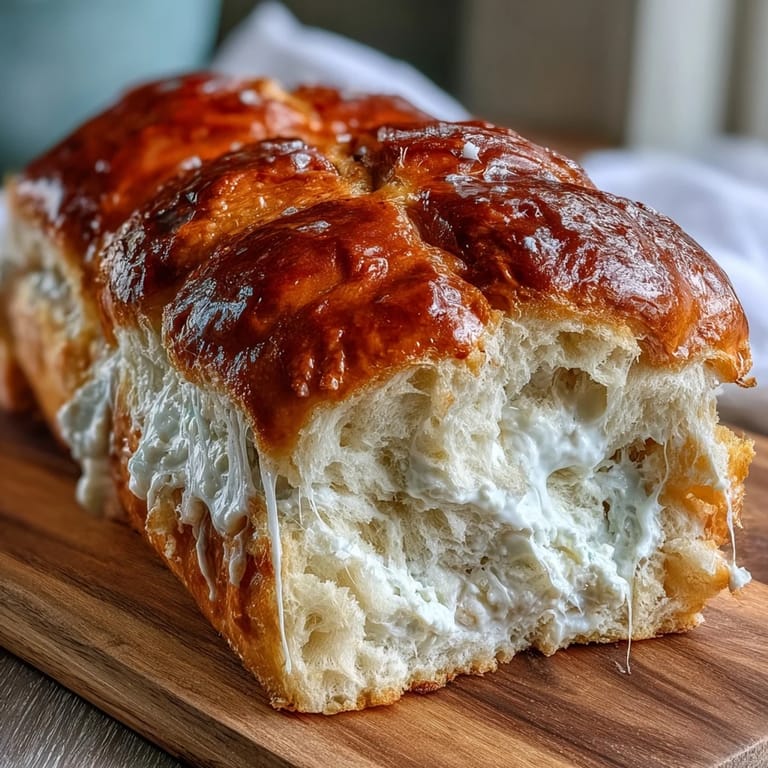 Save
Save Nothing beats the quiet comfort of fresh, homemade milk bread. I hope this recipe brings you a moment of warmth and a new favorite loaf for your table.
Recipe FAQ
- → What is tangzhong and why use it?
Tangzhong is a roux-like paste of flour and liquid cooked to thicken. It increases water absorption, resulting in a moister crumb, improved oven spring and longer shelf life for the loaf.
- → How do I know when the dough is properly kneaded?
The dough should become smooth, elastic and slightly tacky but not sticky. Perform a windowpane test: stretch a small piece into a thin membrane without tearing to confirm adequate gluten development.
- → Can I use all-purpose flour instead of bread flour?
All-purpose flour can work, but bread flour gives stronger gluten structure and better chew. If using all-purpose, expect a slightly softer, less structured crumb and consider shorter kneading.
- → What can I substitute for whole milk or butter?
Replace up to 1/4 cup of milk with heavy cream for extra richness. For dairy-free options, use full-fat plant milk and a vegan butter alternative, though texture and flavor will vary slightly.
- → How can I tell when the loaf is baked through?
The crust should be deep golden brown and the loaf will sound hollow when tapped. For accuracy, the internal temperature should reach about 190–200°F (88–93°C).
- → Best way to store and reheat the loaf?
Cool completely, then store in an airtight container or bag at room temperature for a few days. Refresh slices under a toaster or briefly in a low oven; warm with butter or jam to revive softness.