 Save
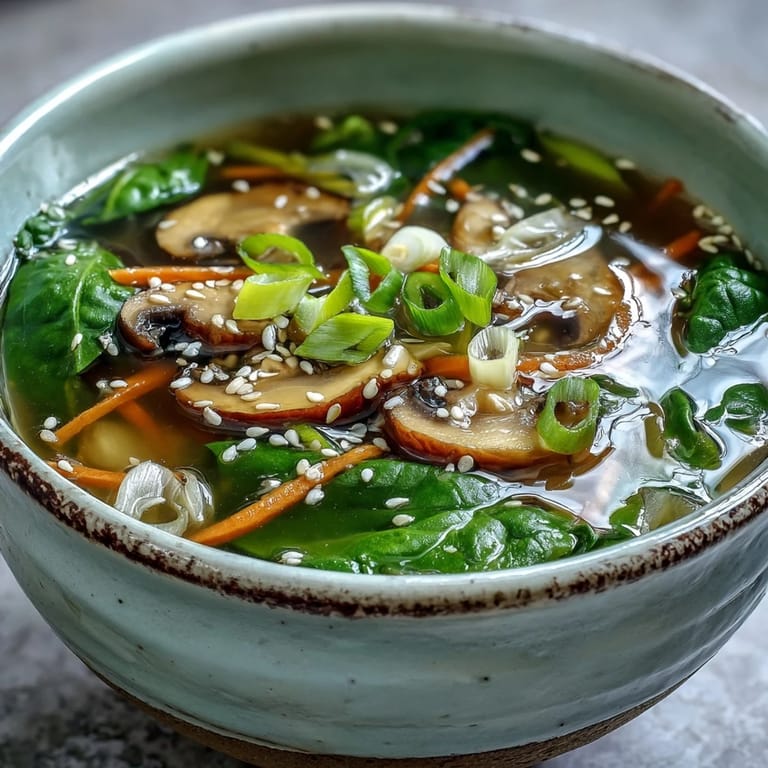
Save Last winter, when I was battling a particularly nasty cold, I found myself craving something nourishing but light. Standing in my kitchen with the snow falling outside, I began slicing ginger, its spicy aroma clearing my sinuses immediately. The first spoonful of this miso ginger soup felt like a warm embrace, and I watched my partner's face light up with that same feeling of comfort when I served it to him. Since that day, this soup has become my cold-weather medicine.
I remember serving this soup at an impromptu gathering when friends stopped by unexpectedly during a snowstorm. We huddled around my small kitchen table, steam rising from our bowls as conversations flowed easily. Even my friend Mark, who typically reaches for heartier fare, asked for seconds and then the recipe. The simple act of sharing this soup transformed a potentially stressful surprise visit into one of my favorite winter memories.
Ingredients
- Fresh ginger: I've learned that young ginger with thin, papery skin gives a more delicate, aromatic quality than older ginger, and I never bother to mince it finely since we're just infusing the broth.
- Miso paste: White miso offers a gentle sweetness that balances perfectly with the ginger, though sometimes I use yellow for a slightly stronger flavor when I need extra comfort.
- Shiitake mushrooms: Their earthy umami flavor creates depth in this otherwise light soup, and I've discovered that slicing them thinly helps them release more flavor into the broth.
- Greens: Baby spinach wilts beautifully, but bok choy adds a satisfying crunch that makes the soup feel more substantial without adding heaviness.
- Sesame seeds: Toasting these until golden brings out their nutty flavor and adds a wonderful textural contrast to each spoonful.
Tired of Takeout? 🥡
Get 10 meals you can make faster than delivery arrives. Seriously.
One email. No spam. Unsubscribe anytime.
Instructions
- Infuse the broth:
- Bring your vegetable broth to a gentle simmer, watching as the first wisps of steam rise from the surface. Add the sliced ginger and garlic, then let them slowly release their aromatic oils for about 10 minutes as the kitchen fills with their warming scent.
- Add vegetables:
- Slide in the mushrooms and watch how they gradually darken as they absorb the fragrant broth. The carrots add a touch of sweetness and a pop of color as they soften just slightly while maintaining their bite.
- Incorporate the miso:
- This is where patience matters—scoop some hot broth into a small bowl and gently whisk in the miso until it forms a smooth, cloudy mixture. Never boil miso if you want to preserve its probiotic benefits and delicate flavor.
- Finish with greens:
- Add your spinach or bok choy just before serving, giving them just enough time to wilt without losing their vibrant color. The green onions should be added at the last minute to maintain their fresh, bright flavor.
- Garnish with love:
- Each bowl becomes a personal creation when you sprinkle toasted sesame seeds that add tiny pops of nutty flavor. The optional chili oil creates beautiful red swirls on the surface that not only look striking but add a gentle heat that warms from within.
 Save
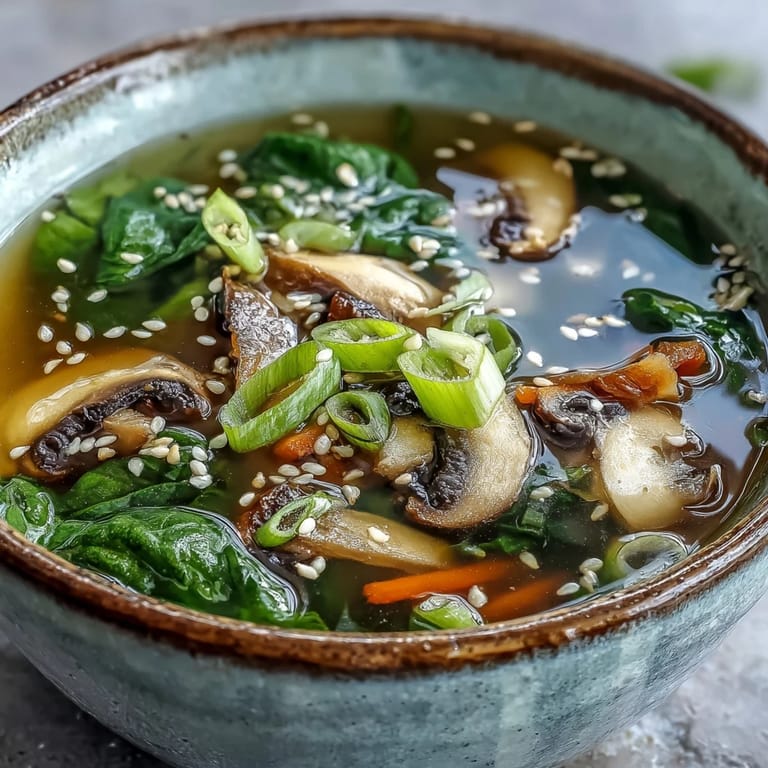
Save One particularly memorable evening, I served this soup to my mother who was visiting during a difficult time in her life. As we sat quietly sipping from our bowls, I noticed her shoulders slowly relaxing, her breathing becoming deeper. We didn't need many words that night—the steam carrying the gentle aroma of ginger and miso created a moment of peace between us that felt more healing than any conversation could have been.
Seasonal Adaptations
While designed as a winter soup, I've found ways to enjoy this recipe year-round. In spring, I add tender pea shoots and asparagus tips, which brighten the flavor. Summer calls for corn kernels and cherry tomatoes that burst with sweetness. Fall brings opportunities for kabocha squash cubes that partially dissolve, giving the broth a subtle creaminess without any dairy. The versatility of this soup base continues to surprise me with each passing season.
Making It a Complete Meal
What started as a simple soup has evolved into countless meals in my kitchen. Sometimes I add cubed firm tofu that soaks up the flavor of the broth, or I'll drop in a soft-boiled egg with a jammy center that enriches each spoonful. When particularly hungry, I place a mound of cooked soba noodles in the bowl before ladling the hot soup over them, watching as they untangle and integrate into the broth. These additions transform the soup from a starter to a complete, satisfying meal without compromising its light, restorative quality.
Storage and Reheating
Through trial and error, I've perfected the art of preparing this soup ahead of time. The key is storing the broth and vegetables separately from the miso and delicate greens. I'll often make a double batch of ginger-infused broth with the hardier vegetables and refrigerate it for up to three days, adding fresh miso, spinach, and garnishes only when reheating individual portions.
- If storing leftovers, keep the miso out until reheating to maintain its beneficial properties and fresh flavor.
- The ginger flavor intensifies overnight, so you might need less when making ahead.
- Add a squeeze of fresh lemon juice when reheating to brighten the flavors that may have mellowed in the refrigerator.
 Save
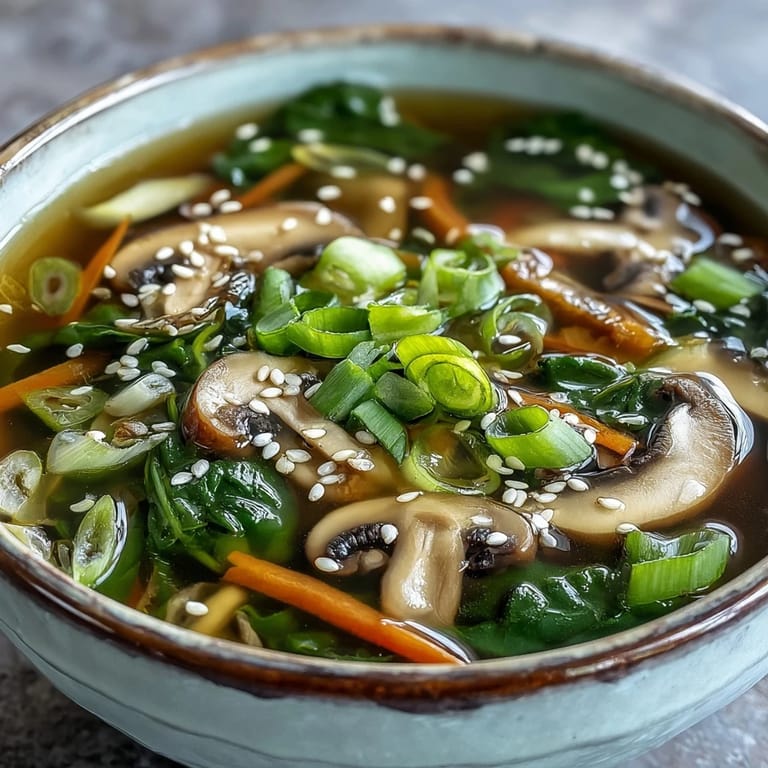
Save This miso ginger soup has taught me that healing often comes in the simplest forms. Whether you're making it for yourself on a quiet evening or sharing it with loved ones during difficult times, it offers both nourishment and comfort in equal measure.
Recipe FAQ
- → Can I make this soup ahead of time?
Yes, you can prepare the base broth with vegetables up to 2 days ahead. Store it in the refrigerator and reheat gently, then stir in the miso paste just before serving to preserve the beneficial probiotics.
- → What type of miso works best?
White or yellow miso paste offers a milder, slightly sweet flavor that pairs beautifully with ginger. Red miso provides a deeper, more intense taste if you prefer a stronger umami profile.
- → Can I add protein to this soup?
Absolutely. Cubed silken tofu works wonderfully, absorbing the savory broth. You can also add edamame, cooked chickpeas, or even shredded chicken if you prefer a non-vegetarian version.
- → Why shouldn't I boil the miso?
High heat destroys the beneficial live cultures and enzymes in miso paste. Always reduce the heat to low and stir in the tempered miso mixture gently to maintain its probiotic properties and delicate flavor.
- → What vegetables can I substitute?
Kale, swiss chard, or napa cabbage work well instead of spinach. Try adding shelled peas, corn, or diced winter squash for variety. Just adjust cooking times so everything reaches perfect tenderness.
- → How do I store leftovers?
Keep refrigerated in an airtight container for up to 3 days. The flavors may deepen over time. Avoid freezing, as the texture of vegetables and miso can become grainy when thawed.