 Save
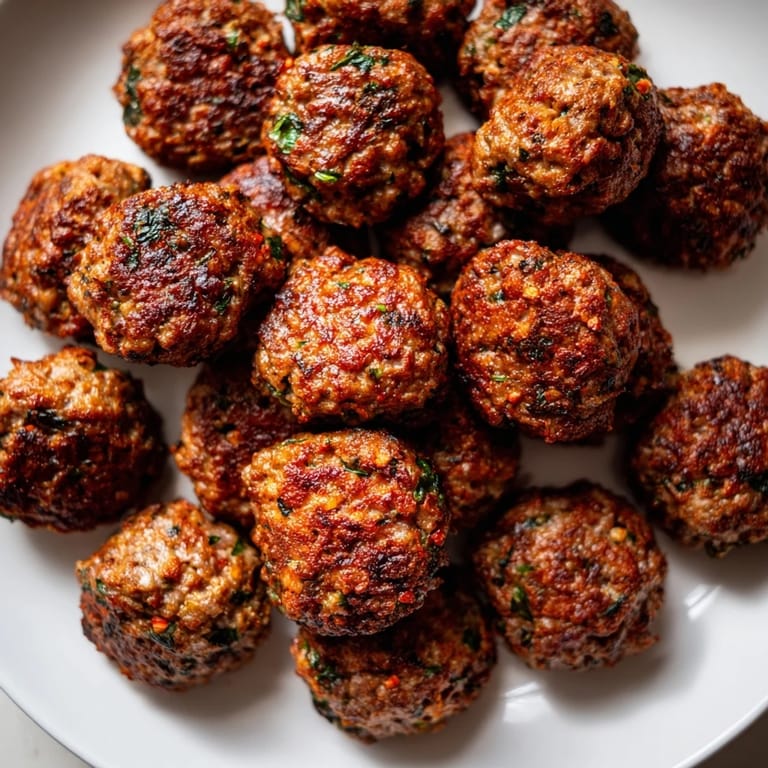
Save The first time I made köfte, I was standing in my friend Aylin's kitchen in Istanbul, watching her mother work with practiced efficiency. She let me handle the mixing, and I remember the warmth of the meat and bulgur in my hands, how the herbs released their fragrance as I combined everything. There's something satisfying about forming these little ovals, each one becoming slightly smoother and more refined with every meatball you shape. That afternoon taught me that köfte isn't complicated, but it rewards attention to detail and a light touch.
I brought these to a potluck last month, still slightly warm in a ceramic dish, and watched three people come back for seconds without even asking what was in them. Someone paired them with cucumber yogurt and flatbread, and suddenly our whole kitchen smelled like a street vendor's stall in Beyoğlu. That's when I realized köfte isn't just dinner—it's a conversation starter that actually tastes like something real.
Ingredients
- Ground beef or lamb (500g): A mix of both is traditional and adds complexity; if using only beef, the result is leaner but still delicious.
- Fine bulgur (100g): This absorbs moisture and binds everything while adding a subtle grain texture that distinguishes köfte from regular meatballs.
- Onion and garlic (1 small onion, 2 cloves): Grate the onion so it releases its juices and distributes evenly; minced garlic works better than jarred here.
- Fresh parsley and mint (2 tbsp and 1 tbsp): Fresh is essential—dried mint can substitute but use half the amount, as it concentrates.
- Cumin, paprika, and black pepper (1 tsp, 1 tsp, ½ tsp): These three spices form the aromatic backbone; don't skimp on freshness.
- Chili flakes (½ tsp, optional): Add this only if you enjoy a gentle heat that lingers slightly.
- Salt and egg (1 tsp, 1 large): The egg binds everything while keeping the interior tender when cooked.
- Olive oil (2–3 tbsp): Use good quality oil; it matters more than people realize.
Tired of Takeout? 🥡
Get 10 meals you can make faster than delivery arrives. Seriously.
One email. No spam. Unsubscribe anytime.
Instructions
- Hydrate the bulgur:
- Pour warm water over the bulgur and let it sit untouched for 10 minutes. You'll notice it absorbs the water and becomes tender, almost like tiny grains of cooked wheat. Don't rush this step or your meatballs will feel gritty.
- Build the mixture:
- Add your meat, grated onion, minced garlic, fresh herbs, and all spices to the softened bulgur. This is where the kitchen will smell incredible, especially when the mint releases its oils.
- Mix with intention:
- Using clean, slightly damp hands, combine everything until the texture becomes uniform and slightly sticky. You want all the flavors distributed evenly, not pockets of spice or herb in random meatballs.
- Shape with care:
- Keep your hands damp as you work to prevent sticking. Form walnut-sized ovals or rounds, pressing gently so they hold together but remain tender inside. If the mixture feels too wet, refrigerate for 15 minutes.
- Pan-fry for golden crust:
- Heat olive oil in a large skillet over medium heat until it shimmers. Add meatballs in a single layer without crowding, and let them sear for 3–4 minutes per side until the exterior turns deep golden and the center reaches 160°F. Work in batches if needed.
- Or grill for charred edges:
- Preheat your grill to medium-high and oil the grates well. Place meatballs directly on the grill and rotate every 3–4 minutes for even cooking and charred flavor. They'll be done when firm to the touch and cooked through.
- Serve while warm:
- Plate them with rice, flatbread, or a crisp salad. A dollop of yogurt sauce or a handful of fresh vegetables completes the picture.
 Save
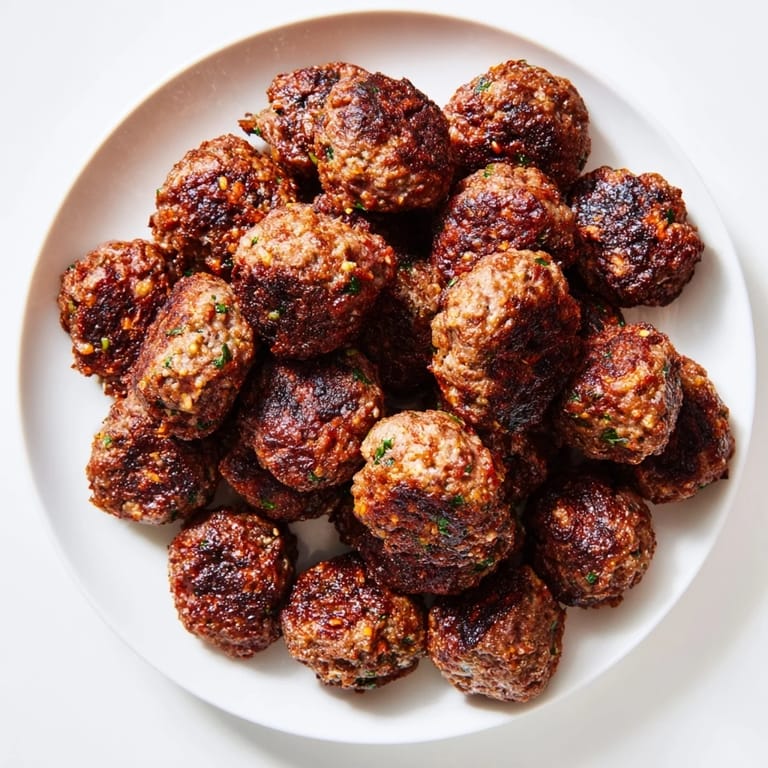
Save My neighbor knocked on my door one evening asking what I was cooking because the smell had drifted across the hallway. We ended up sharing a plate together, and she told me her grandmother used to make something similar in Anatolia. Food has a way of bridging time and distance like that.
Why Texture Matters
The secret to köfte that feels restaurant-quality at home is respecting the balance between the meat, bulgur, and moisture. Too much meat and they become dense; too much bulgur and they taste empty. The egg and onion juice provide just enough liquid so that when you cook them, the outside crisps while the interior stays tender and juicy. I learned this by making them three different ways in one week—the difference was profound.
Serving and Pairing
These meatballs feel at home on a simple bed of rice, alongside grilled tomatoes and peppers, or wrapped in warm flatbread with lettuce and cucumber. Turkish yogurt sauce made with strained yogurt, garlic, and lemon is the classic pairing, though I've also served them over grain salads or even nestled into pita with hummus. The beauty is that köfte adapts to whatever you're in the mood for without losing its character.
Making Them Your Own
Once you've made köfte a few times, you'll start noticing variations that appeal to your palate. Some cooks add a tiny pinch of cinnamon or allspice for warmth, while others incorporate pine nuts for texture. A friend of mine adds pomegranate molasses to hers, which brings an unexpected brightness. The formula is flexible enough to welcome your favorite additions.
- Shape and freeze raw meatballs on a tray, then transfer to freezer bags for up to three months of ready-to-cook convenience.
- Don't press the meatballs with your spatula while they cook—let them develop a crust undisturbed.
- If you're cooking for a crowd, use a large grill or cast iron skillet and work in batches rather than cramming them together.
 Save
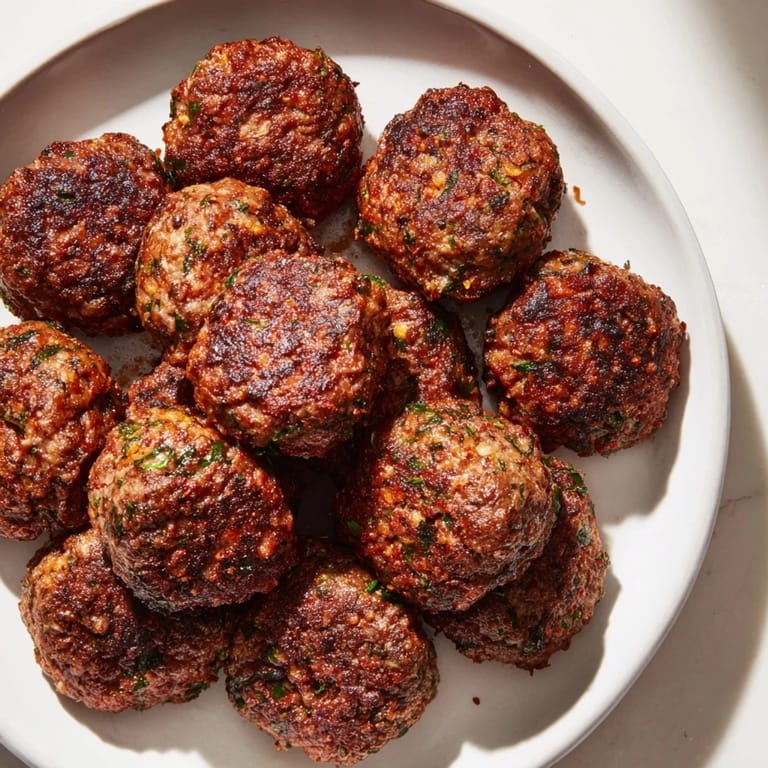
Save There's something deeply satisfying about biting into a perfectly cooked köfte, steam rising from the inside as the herbs and spices bloom on your tongue. Once you master this recipe, you'll find yourself making it constantly.
Recipe FAQ
- → What is bulgur's role in these Turkish köfte?
Bulgur absorbs moisture and helps bind the meat mixture while adding a subtle nutty flavor and texture to the köfte.
- → How should the köfte be cooked for best texture?
They can be pan-fried or grilled until golden brown on the outside, ensuring a crispy crust while keeping the inside juicy and tender.
- → Can I substitute ground beef with lamb in this dish?
Yes, using lamb or a blend of lamb and beef enhances the flavor authenticity typical of Turkish köfte.
- → Are fresh herbs necessary for authentic flavor?
Fresh parsley and mint add bright, aromatic notes, but dried mint can be used if fresh is unavailable, keeping the essence intact.
- → How can I store or freeze leftovers?
Shape raw köfte and freeze them on a tray before transferring to a sealed bag, allowing quick cooking later without texture loss.