 Save
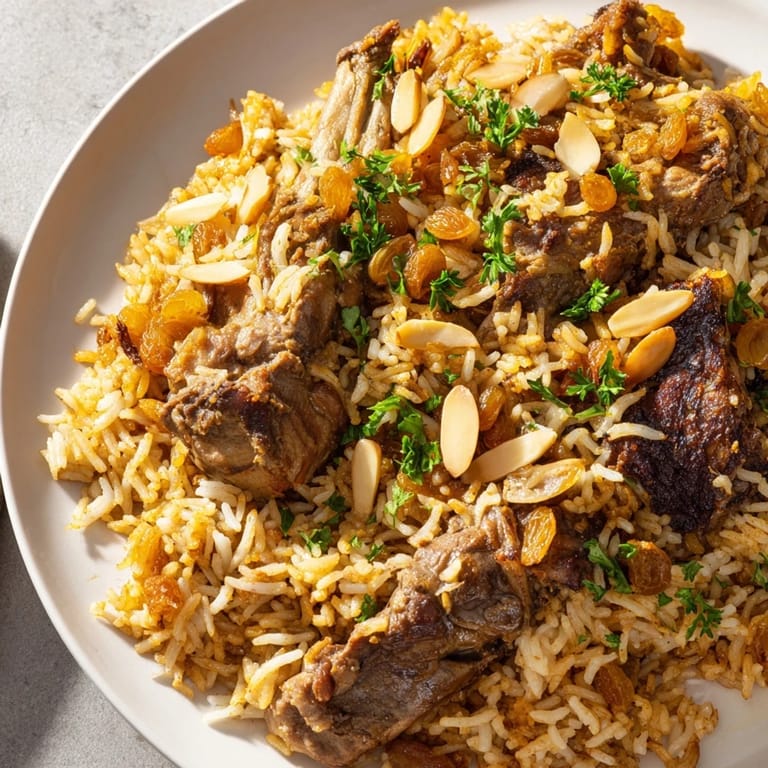
Save The first time I made kabsa, I was standing in my friend Layla's kitchen in Riyadh, watching her mother work with such calm precision that I barely noticed how quickly the spices transformed into something almost perfumy. She didn't measure most things—just trusted her nose—but what struck me most was how she nestled the meat into the rice at the end, like she was tucking it into bed. That image stuck with me, and now whenever I make this dish, I feel that same sense of care seeping into every layer.
I made this for my family during Eid, and my sister kept sneaking extra spoonfuls of rice straight from the serving platter before we even sat down. The almonds were still warm, and there was this perfect contrast between the sweetness of the raisins and the earthiness of the spices. My dad said it reminded him of meals he hadn't had in years, which might be the highest compliment a cook can get.
Ingredients
- Lamb or chicken pieces (bone-in, 1 kg): Bone-in meat gives the broth so much more depth—it's worth seeking out at a butcher rather than boneless cuts, and the meat stays tender through the long cook.
- Vegetable oil (1 tbsp): Just enough to get the onions golden without the dish tasting greasy.
- Onion (1 large, finely sliced): This is your flavor foundation; don't rush the golden step or you'll miss the sweetness that makes everything else better.
- Garlic (3 cloves, minced): Fresh garlic only—powdered just doesn't have the same brightness here.
- Ground cumin (2 tsp): The backbone spice; it's warm and grounding and makes you want to keep eating.
- Ground coriander (2 tsp): Floral and slightly citrusy, it lifts the whole dish out of heavy territory.
- Ground cinnamon (1½ tsp): This isn't dessert cinnamon; it's subtle and warming, adding complexity without announcing itself.
- Ground black pepper (1½ tsp): Fresh ground makes a real difference—stale pepper is invisible.
- Ground turmeric (1 tsp): Adds color and an earthy warmth that ties everything together.
- Ground cardamom (1 tsp): If you've only used this in coffee, you're about to fall in love with it here—it's almost sweet, almost spicy.
- Ground cloves (½ tsp): A little goes such a long way; too much makes the dish taste medicinal, so don't exceed this.
- Ground allspice (½ tsp): Like a quiet background note that you notice most when it's missing.
- Bay leaves (2 dried): Absolutely remove these before serving or your guests will wonder why there's an herb in their teeth.
- Black lime or loomi (1 dried, pierced): This is what separates good kabsa from authentic kabsa; it's tangy and almost smoky, but the dish works without it if you can't find it.
- Tomatoes (2 medium, chopped): They break down and add acidity that balances the richness of the meat and spices.
- Carrot (1 medium, grated): Sweetness and texture; the grating helps it disappear into the rice naturally.
- Basmati rice (3 cups, rinsed and soaked): The soaking matters—it helps the grains stay separate and fluffy instead of clumping, so don't skip this step.
- Chicken or lamb stock (5 cups): Homemade is best, but good quality store-bought works if you're honest with yourself about what you have time for.
- Golden raisins (½ cup): They add sweetness and chew; dark raisins work but they're less pretty and taste a bit different.
- Slivered almonds, toasted (½ cup): Toasting them yourself makes them crunchier and more flavorful than raw, and it only takes five minutes.
- Fresh parsley (¼ cup, chopped): Optional but it adds a bright green finish that makes the dish look finished.
- Salt: Taste as you go—stock is often salty, so add carefully.
Tired of Takeout? 🥡
Get 10 meals you can make faster than delivery arrives. Seriously.
One email. No spam. Unsubscribe anytime.
Instructions
- Golden the foundation:
- Heat oil in a large heavy pot over medium-high heat and add your onion, letting it turn golden at the edges—this takes about five minutes and is worth waiting for because it sweetens everything that comes after. Once it's soft and caramelized, you're not just cooking an ingredient; you're building a flavor base that transforms the whole dish.
- Brown the meat:
- Add minced garlic and cook for one minute until it stops being raw-smelling, then add your meat pieces and let them brown on all sides without moving them around too much—about eight minutes total. This browning step is where the magic starts; you're creating layers of flavor through heat, not just cooking something through.
- Toast the spice blend:
- Stir in all your spices, bay leaves, and black lime and cook for one to two minutes until the kitchen smells like something you'll remember—warm, aromatic, a little bit sweet. You're not cooking the spices hard; you're just waking them up so they release their oils into the fat in the pot.
- Add the vegetables:
- Add your chopped tomatoes and grated carrot, stirring occasionally for four to five minutes as everything softens together. The tomatoes will start to break down and create a sauce-like layer underneath where the meat sits.
- Build the broth:
- Pour in your stock and bring everything to a boil, then lower the heat, cover the pot, and simmer gently for thirty-five to forty minutes if using chicken or sixty minutes for lamb—you'll know it's ready when the meat is so tender it almost falls apart. This is a good time to step away, clean up, and let the house fill with the smell of what's coming.
- Set the meat aside:
- Once the meat is tender, carefully remove it to a warm plate and cover loosely so it stays hot while you finish the rice. Don't lose any of that flavorful broth.
- Add the rice:
- Drain your soaked rice and stir it into the hot broth with salt to taste, then nestle the meat back into the rice in an even layer. This is the meditative moment where you're arranging everything for the final cook, knowing that in thirty minutes you'll have something that looks almost too beautiful to eat.
- Scatter and steam:
- Sprinkle the raisins over the top, cover the pot, and let everything cook on low heat for twenty-five to thirty minutes without lifting the lid—patience here means fluffy rice and absorbed liquid. If you peek, you'll let out steam and extend the cooking time, so trust the process.
- Release and fluff:
- Once the rice is tender and the liquid is absorbed, discard the bay leaves and black lime, then use a fork to gently fluff the rice, separating any grains that want to stick together. This gentle touch at the end keeps everything light and separate.
- Finish with elegance:
- Transfer to a serving platter with care, trying to keep the layers somewhat intact if you can, then crown everything with your toasted almonds and fresh parsley. This is the moment where cooking becomes presentation, and a simple dish becomes something memorable.
 Save
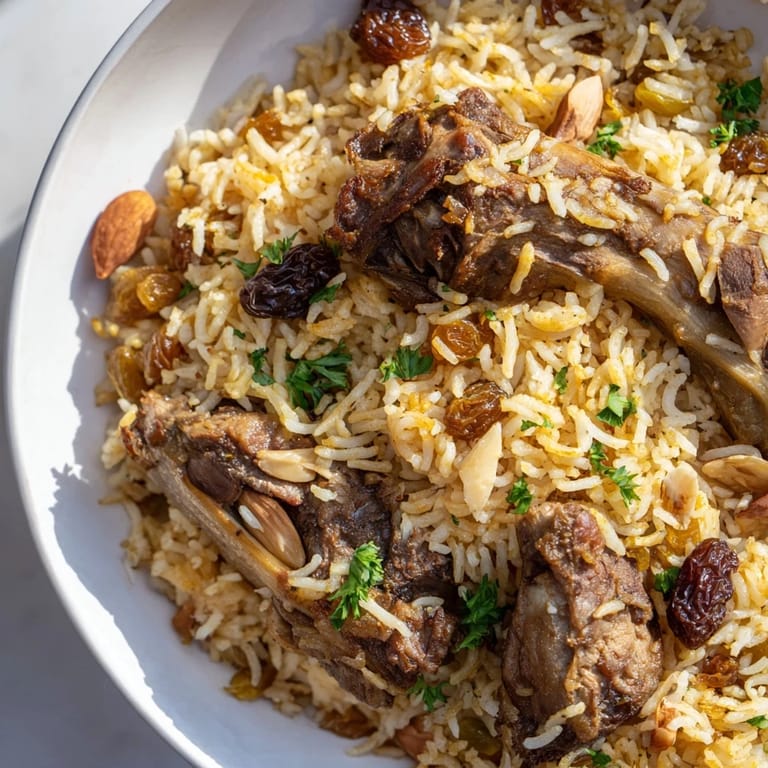
Save My neighbor came over once and sat at my table while I was finishing the dish, and I'll never forget how she closed her eyes on the first bite. She didn't say anything for a moment, just sat there, and then she looked at me and said it tasted like home—not her home, but like someone's home, somewhere warm. That's when I realized this wasn't just rice and meat; it was an invitation into someone else's joy.
The Story Behind Spice
Kabsa is a Friday dish in Saudi Arabia, made for family and celebration, and every grandmother has her own ratio of spices that she swears is the only correct one. What I've learned is that the spices aren't just flavoring—they're telling a story about trade routes and cultural memory. The combination of cumin, cardamom, cinnamon, and cloves isn't random; it's been refined over centuries to create something that feels both warm and slightly exotic. When you toast them together in that oil and onion, you're not just making dinner; you're participating in something that's bigger than your kitchen.
Why Basmati Matters
Regular long-grain rice will work in a pinch, but basmati has this delicate floral quality that actually complements the spices rather than just carrying them. The grains stay longer and more separate, which is partly why people specifically request basmati for this dish. The soaking step isn't just tradition—it actually helps the rice cook more evenly and achieve that perfect fluffy texture. When you bite into properly cooked kabsa rice, each grain should be distinct, almost individual, but all working together toward the same delicious purpose.
Meat Choices and Cooking Times
Lamb is traditional and more flavorful, but chicken makes a lighter version that's just as satisfying and cooks faster, which matters on weeknights when you're hungry. Beef works too—honestly, any meat that's good braising meat becomes better in kabsa because the spices and broth transform it into something tender and deeply flavorful. Whatever you choose, bone-in cuts are worth the extra effort to track down because they create a better broth and stay juicier through the long cook.
- Let your meat come to room temperature for thirty minutes before cooking so it browns better and cooks more evenly.
- If your pot isn't heavy-bottomed, use a Dutch oven instead—thin pots create hot spots that burn the bottom layer of rice.
- Save that flavorful broth-soaked meat for leftover rice the next day when you're standing at the stove at six a.m. wondering what's for breakfast.
 Save
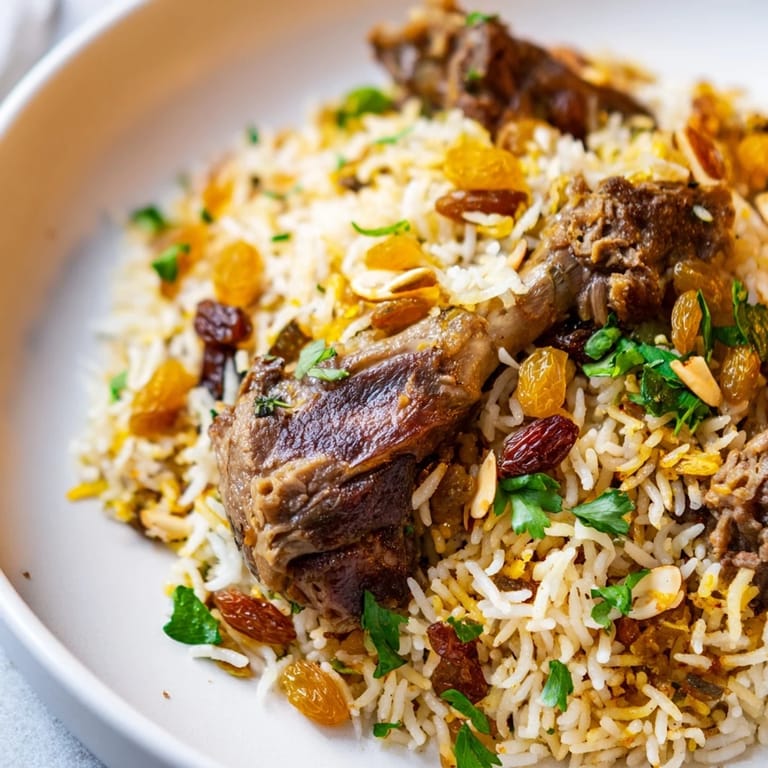
Save This dish deserves your attention when you make it, not because it's complicated, but because the care you take shows in the result. Serve it with yogurt and a simple tomato-cucumber salad, and watch people eat in a way that feels like gratitude.
Recipe FAQ
- → What type of meat is best for Kabsa?
Traditionally, bone-in lamb or chicken pieces are used, offering tender texture and rich flavor after slow cooking.
- → Can I use other spices in this dish?
The classic blend includes cumin, coriander, cinnamon, turmeric, cardamom, and cloves, but toasting the spices before use elevates their aroma and taste.
- → How should the rice be prepared before cooking?
Rinse basmati rice thoroughly and soak it for about 20 minutes to ensure fluffy, separate grains after cooking.
- → What is the purpose of loomi in Kabsa?
Loomi, or dried black lime, adds a tangy depth and authentic aromatic note, but it is optional and can be omitted if unavailable.
- → How do raisins and almonds affect the dish?
Golden raisins offer a mild sweetness, while toasted almonds contribute a crunchy texture, both balancing the savory spices beautifully.
- → What side dishes complement this meal?
A simple tomato-cucumber salad and yogurt pair well, providing fresh and cooling contrasts to the spiced rice and meat.