 Save
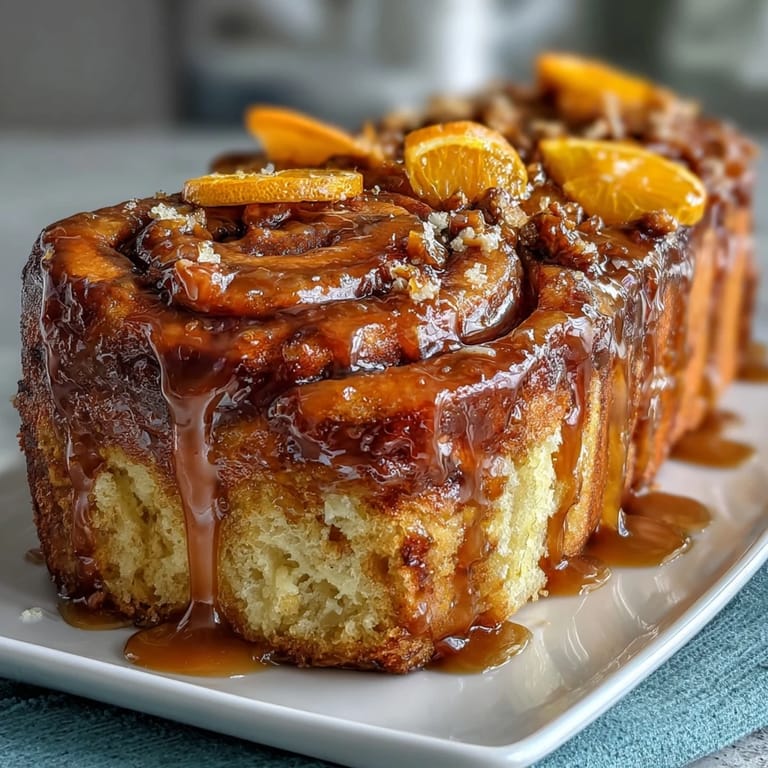
Save There's something almost magical about waking up to the smell of orange rolls baking, especially when you did all the hard work the night before. My sister brought a batch of these to a lazy Sunday brunch, and I watched everyone's faces light up as they bit into the soft, pillowy dough with that bright citrus surprise. The overnight method means you actually get to sleep instead of stress, which felt revolutionary to me at the time. I've been making them ever since, and they've become my secret weapon for impressing people without the fuss.
I made these for my neighbor's book club, and honestly, I was nervous because I'd never done an overnight rise before. But pulling that baking dish out of the fridge and watching those rolls puff up at room temperature felt like a small miracle unfolding on my counter. Someone asked for the recipe before they'd even finished their second roll, and I realized I'd stumbled onto something people actually crave—not because it's complicated, but because it tastes like morning done right.
Ingredients
- All-purpose flour (3 1/2 cups): This is your foundation—measure it by weight if you can, because scooping straight from the bag often gives you more flour than you need, which dries everything out.
- Granulated sugar (1/4 cup): Feeds the yeast and adds gentle sweetness without overwhelming the orange flavor.
- Instant dry yeast (2 1/4 tsp): Check the expiration date before you start—dead yeast means no rise, and you'll end up with dense hockey pucks instead of fluffy rolls.
- Salt (1/2 tsp): Seasons the dough and controls fermentation, so don't skip it even though it's tiny.
- Whole milk, lukewarm (3/4 cup): Warmth matters here—if it's too hot, it kills the yeast; too cold, and rising takes forever.
- Unsalted butter, melted (1/4 cup): Creates richness and tender crumb; melted lets it distribute evenly through the dough.
- Large eggs at room temperature (2): Room temperature eggs blend smoothly into the dough instead of creating little cold pockets.
- Orange zest (2 large oranges for dough, 1 more for filling): This is where all the personality lives—use a microplane and don't be shy, because the flavor mellows as it bakes.
- Softened butter for filling (1/4 cup): Spread easily over the dough without ripping it.
- Sugar for filling (1/2 cup): Creates the sweet layer that caramelizes slightly around the edges.
- Powdered sugar (1 cup): For the glaze, sifted if it's lumpy so you get a smooth finish.
- Fresh orange juice (2-3 tbsp): The glaze won't hold together without liquid, and fresh juice tastes infinitely better than bottled.
Tired of Takeout? 🥡
Get 10 meals you can make faster than delivery arrives. Seriously.
One email. No spam. Unsubscribe anytime.
Instructions
- Mix your dry team:
- Whisk together the flour, sugar, yeast, and salt in a large bowl—this distributes the yeast evenly so you get consistent rising throughout the dough.
- Combine the wet ingredients:
- In another bowl, stir together lukewarm milk, melted butter, room temperature eggs, and all that fresh orange zest—you should see little flecks of brightness throughout.
- Bring it together:
- Pour the wet mixture into the dry ingredients and stir until a shaggy, sticky dough forms—don't worry about lumps yet.
- Knead into smoothness:
- By hand or with a stand mixer using the dough hook, knead for 7 to 8 minutes until the dough becomes smooth and elastic; you'll feel it transform under your hands or watch it pull away from the bowl sides.
- First rise:
- Place the dough in a greased bowl, cover it loosely with plastic wrap, and let it sit in a warm spot for 1 to 2 hours until it roughly doubles—a turned-off oven with the light on works perfectly.
- Roll and fill:
- Punch down the risen dough (this is satisfying), then roll it out on a lightly floured surface to a 10 by 16 inch rectangle—use your fingers to stretch if the dough springs back. Spread softened butter over the entire surface, then sprinkle the sugar and orange zest for the filling evenly across it.
- Shape the rolls:
- Starting from the longer edge, roll the dough up tightly like you're making a log, keeping tension as you go so the rolls hold their shape. Using a sharp knife or even dental floss (seriously, it works), cut the log into 12 equal pieces.
- Pan and chill:
- Arrange the rolls cut-side up in a greased 9 by 13 inch baking dish, cover tightly with plastic wrap, and refrigerate overnight—this is where the magic happens, as the rolls continue to develop flavor and rise slowly in the cold.
- Morning comeback:
- Remove the rolls from the fridge and let them sit at room temperature for 45 to 60 minutes until they're puffy and nearly touching each other—they'll look almost ready to burst.
- Bake:
- Preheat your oven to 350°F while the rolls finish their rise, then bake for 22 to 25 minutes until the tops are golden brown and the edges are slightly darker than the centers.
- Glaze and serve:
- While the rolls bake, whisk powdered sugar, fresh orange juice, and a pinch of zest together until smooth and pourable—drizzle it over the warm rolls right after they come out of the oven so it soaks in slightly.
 Save
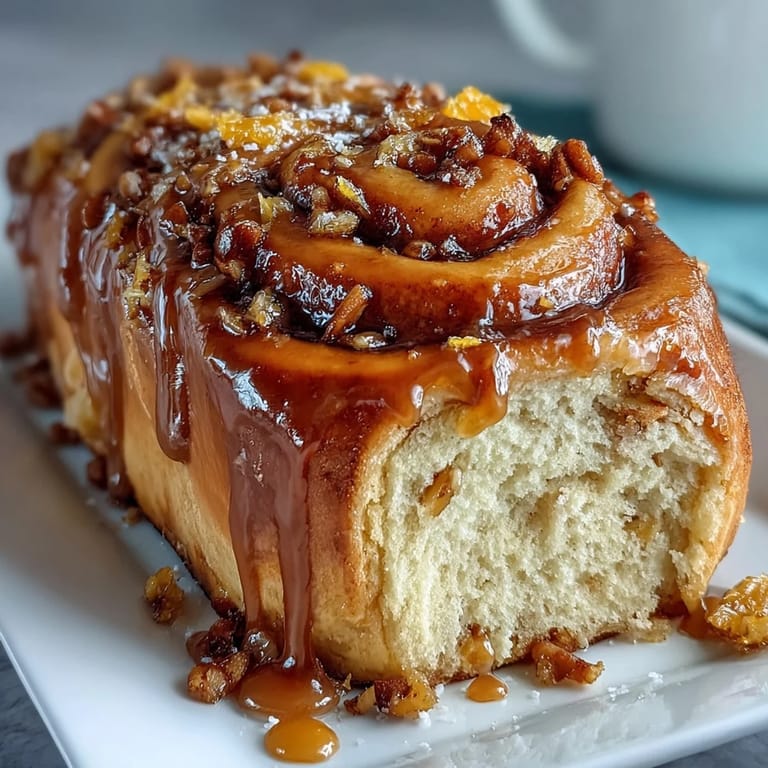
Save I'll never forget the moment I realized overnight rolls aren't just convenient—they're actually better. A friend who's a serious baker ate one and paused mid-chew, then asked what bakery I'd gone to. When I told her I'd made them myself the day before, she demanded the recipe and said the overnight fermentation made the flavor deeper, more complex, almost sourdough-adjacent. That's when these stopped being my easy trick and became something I genuinely understood.
The Orange Zest Secret
Orange zest is the entire personality of this recipe, so treat it with respect. A microplane grater will change your life—it pulls off only the colored part and leaves behind the bitter white pith that lives underneath. I learned this the hard way after my first attempt tasted weirdly astringent. Now I make sure to zest the oranges before I do anything else, storing the zest in a small bowl so it's ready when I need it. The aroma alone as you zest is worth the effort.
Why Overnight Rising Actually Works
Cold fermentation slows everything down, which sounds like a disadvantage until you realize it's actually giving the yeast time to develop flavor compounds that fast rising skips entirely. The dough gets time to relax in the fridge, which makes it easier to handle and less likely to spring back at you. When you wake up the next morning, the rolls haven't just been sitting idle—they've been quietly developing character, which is why they taste so much better than same-day rolls.
Finishing Touches That Matter
The glaze is the final word on these rolls, and fresh orange juice makes all the difference in both flavor and texture. Don't use bottled juice if you can help it—the real thing has brightness that brings everything together. Apply it while the rolls are still warm so it soaks into the crevices slightly, creating this glorious glossy finish that also tastes incredible.
- If your rolls are browning too fast on top, loosely tent them with foil for the last 5 to 8 minutes of baking.
- Leftover rolls stay soft for two days if you keep them in an airtight container, and you can gently reheat them in a 300°F oven for a few minutes.
- For extra richness, substitute half the milk with fresh orange juice in the dough itself—it deepens everything about these rolls.
 Save
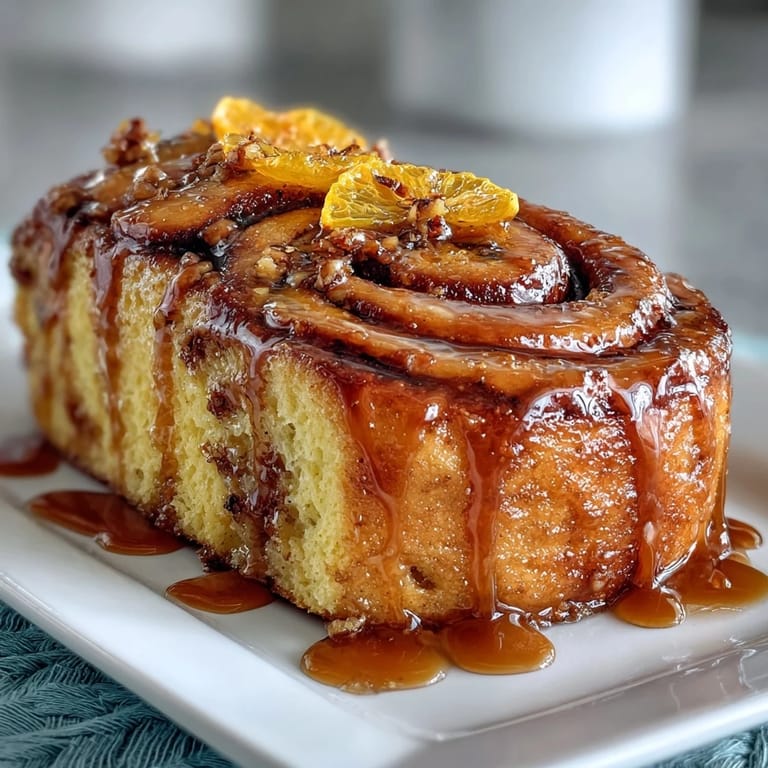
Save These rolls have become my answer to the question of how to make breakfast feel special without spending your entire morning in the kitchen. They're the kind of recipe that works because it respects both the science and the reality of your life.
Recipe FAQ
- → How long should the dough rise overnight?
The dough should refrigerate overnight for 8 hours or more to develop flavor and texture, resulting in soft and tender rolls.
- → Can I substitute orange zest with other citrus flavors?
Yes, lemon or grapefruit zest can be used for a different but equally refreshing citrus note.
- → What is the best way to slice the rolls evenly?
Use a sharp knife or dental floss to cut the rolled dough into even portions without squashing the layers.
- → How do I achieve a glossy glaze on the rolls?
Whisk together powdered sugar, fresh orange juice, and zest until smooth, then drizzle over warm rolls for a shiny finish.
- → Can I prepare the dough without a stand mixer?
Absolutely, hand kneading works well; knead for about 7-8 minutes until the dough feels smooth and elastic.
- → What are good drink pairings with these orange rolls?
These rolls pair wonderfully with coffee, Earl Grey tea, or a mild herbal infusion to complement the citrus flavors.