 Save
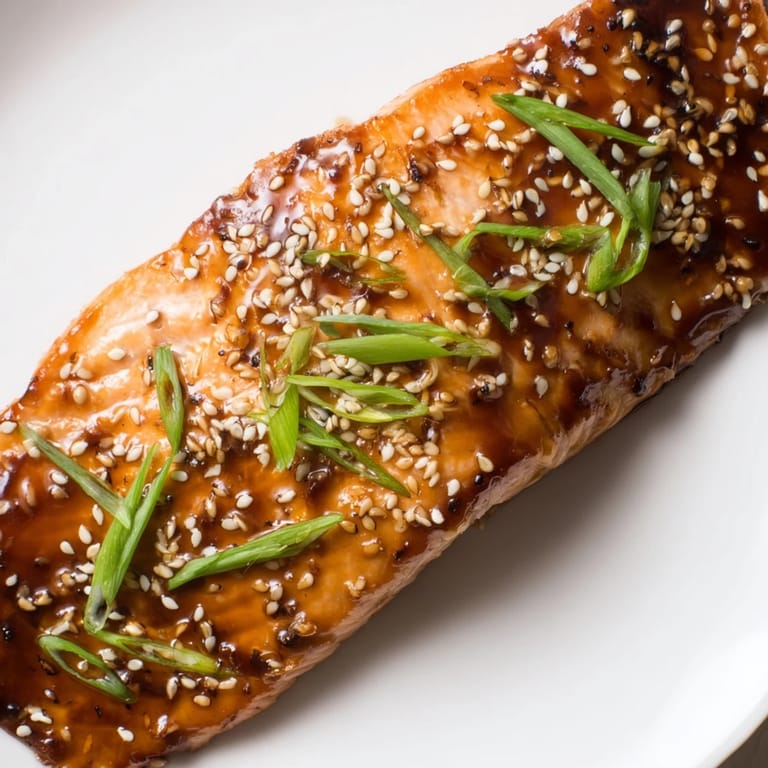
Save My sister called one Tuesday evening asking if I could make something impressive for her boyfriend's first family dinner. I had maybe thirty minutes and a beautiful piece of salmon in the fridge. That's when I remembered a glaze my neighbor had mentioned months ago—ginger, soy, a touch of honey. Fifteen minutes of prep, twelve minutes in the pan, and suddenly this simple weeknight trick became the dish everyone asked me to repeat. Now whenever I make it, I think of how something so elegant requires almost no struggle at all.
I've made this for quiet weeknights alone and for dinner parties where people lingered at the table just to keep eating. There's something about how the sauce coats each bite that makes people slow down. Once a friend who claimed to not really like salmon asked for seconds, and I realized the glaze had won them over before they even tasted the fish.
Ingredients
- Salmon fillets (4, about 6 oz each), skin-on: The skin is your secret weapon—it crisps up in the pan and tastes incredible, so don't skip it or peel it off.
- Kosher salt and freshly ground black pepper: Season generously; the fish needs these flavors, not just a whisper.
- Low-sodium soy sauce (1/4 cup): Low-sodium gives you control over the final saltiness and lets the other flavors shine through.
- Honey (2 tbsp): It balances the soy's saltiness and gives the glaze a beautiful shine and slight thickness as it cooks.
- Fresh ginger (1 tbsp, grated): Use a microplane or the fine side of a box grater; it brings warmth and prevents the dish from feeling one-dimensional.
- Garlic (2 cloves, minced): Fresh garlic matters here—jarred minced garlic tastes like an afterthought in comparison.
- Rice vinegar (1 tbsp): This adds a gentle brightness that prevents the glaze from tasting too thick or sweet.
- Sesame oil (1 tsp): Just a teaspoon; more would overpower, but this amount adds a toasty depth that feels intentional.
- Sesame seeds and green onions (for garnish): Toast the sesame seeds yourself if you can—they'll taste fresher and add the crunch that finishes the dish.
Tired of Takeout? 🥡
Get 10 meals you can make faster than delivery arrives. Seriously.
One email. No spam. Unsubscribe anytime.
Instructions
- Dry your salmon and season:
- Pat each fillet dry with paper towels—moisture is the enemy of crispy skin. Season both sides with salt and pepper and let them sit for a minute while you make the glaze.
- Make the glaze:
- Whisk together the soy sauce, honey, ginger, garlic, rice vinegar, and sesame oil in a small bowl. The mixture should smell alive and complex, not one-dimensional.
- Heat your pan properly:
- Use a large cast iron or nonstick skillet and get it truly hot over medium-high heat. If you're using cast iron, let it preheat for a full minute—this is what creates that skin you're after.
- Sear the salmon skin-side down:
- Place the fillets skin-side down in the hot pan and don't touch them. Resist the urge to move or peek; just listen for a gentle sizzle and wait a full four minutes until the skin releases easily and sounds crispy.
- Flip and cook the other side:
- Flip each fillet carefully and cook for two to three minutes. The fish will start to look opaque around the edges—this is your signal that it's almost done.
- Add the glaze and finish:
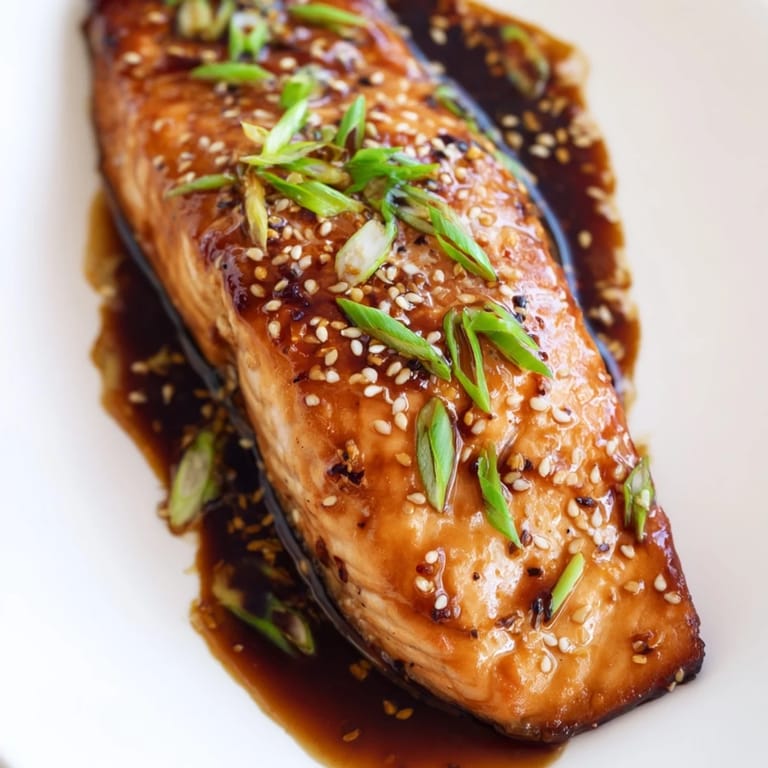
- Reduce heat to medium-low, pour the glaze over the salmon, and spoon it over the fillets repeatedly for two to three minutes. The glaze will reduce slightly and coat the fish in a glossy layer.
- Serve immediately:
- Transfer to plates and spoon any extra glaze from the pan over each fillet. Garnish with toasted sesame seeds, green onions, and a wedge of lemon or lime if you like.
 Save
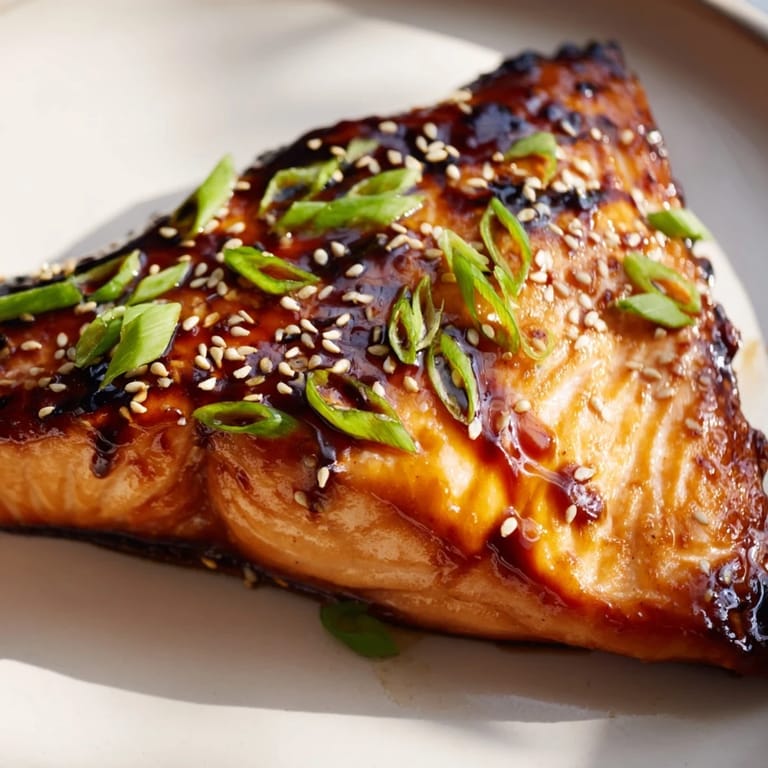
Save There was a moment last spring when my mom tasted this and got quiet for a second, then said, 'This tastes like you know what you're doing.' I realized then that sometimes the simplest recipes are the ones that make people feel truly fed, not just full.
The Science of the Sear
That crispy skin happens because of high heat and patience. When the pan is hot enough and the salmon is dry, the proteins in the skin bond with the heat and create a crust—it's the Maillard reaction doing its work. The moment you flip, you're not just cooking the other side; you're also starting to gently cook through the middle. By the time the glaze hits the pan, the fish is already mostly done, so those final minutes are just about coating it in flavor and finishing the cook.
Building Flavors in the Glaze
Each ingredient in the glaze serves a purpose, and they work together rather than competing. The soy sauce provides umami and saltiness, honey adds sweetness and helps the glaze cling, ginger brings heat and complexity, garlic adds depth, rice vinegar cuts through richness with brightness, and sesame oil brings everything together with a toasty finish. If you skip or reduce any one of these, the glaze loses its balance and feels like something's missing.
Making It Your Own
This recipe is forgiving enough to adapt without falling apart. If you like heat, add a pinch of red chili flakes or a slice of fresh Thai chili to the glaze. If you prefer maple or brown sugar over honey, the structure holds. Some nights I add a splash of mirin for extra depth, or a squeeze of lime juice for brightness. The key is tasting and adjusting as you cook—you're not locked into anything.
- For a spicy version, add 1/2 teaspoon of red chili flakes or fresh chili to the glaze.
- Serve alongside steamed rice, sautéed greens, or roasted root vegetables to balance the richness of the salmon.
- Leftover salmon is delicious cold the next day over a salad, though honestly it rarely lasts that long.
 Save
Save This salmon has become my go-to for nights when I want something that feels special but doesn't require hours in the kitchen. It's the kind of dish that reminds you why you love cooking.
Recipe FAQ
- → How do I achieve crispy salmon skin?
Pat the skin dry before cooking and sear it skin-side down in a hot, lightly oiled pan without moving it for several minutes until crisp and golden.
- → Can I adjust the sweetness of the glaze?
Yes, adjusting the honey amount or substituting with maple syrup or brown sugar can tailor the sweetness to your preference.
- → What is the best type of pan to use?
Using a nonstick or well-seasoned cast iron skillet helps achieve an even sear and prevents sticking.
- → How do I add a spicy kick to the glaze?
Incorporate 1/2 teaspoon of red chili flakes into the glaze mixture before cooking for subtle heat.
- → What side dishes complement this salmon?
Steamed rice, sautéed greens, or roasted vegetables make excellent accompaniments to balance the glaze’s rich flavors.
- → Can I prepare the glaze in advance?
Yes, whisk the glaze ingredients ahead and store in the refrigerator to save time before cooking.