 Save
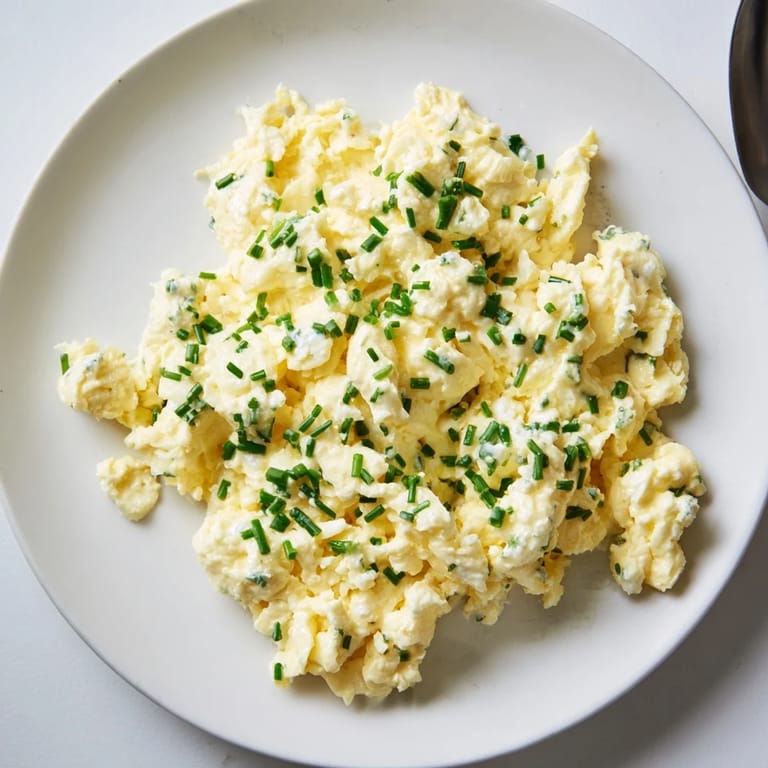
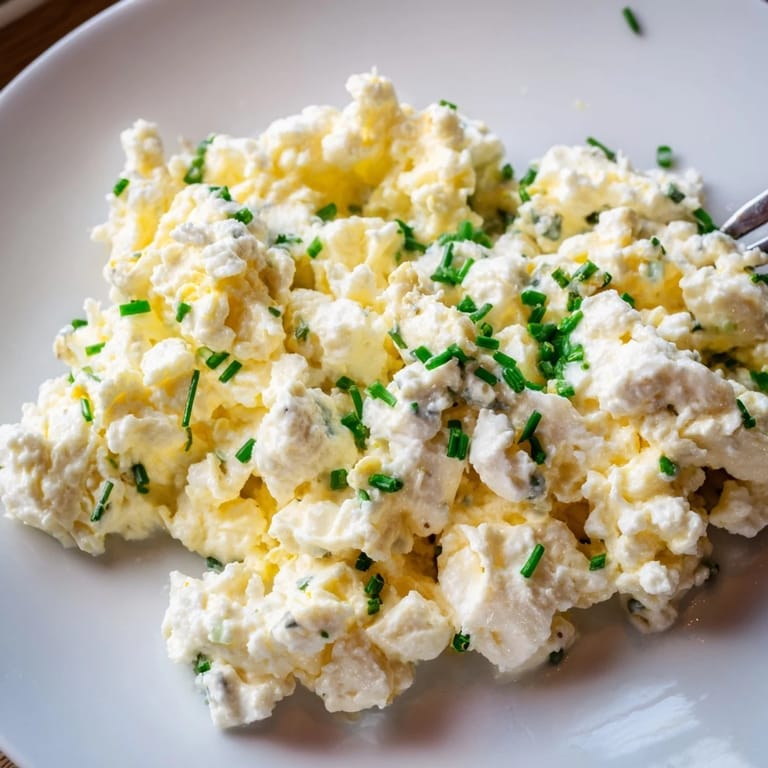
Save There's a Tuesday morning I won't forget when my roommate mentioned she'd been eating the same sad scrambled eggs for years until someone told her about cottage cheese. I was skeptical at first, honestly, but when I tried folding that creamy spoonful into my pan, everything changed. The eggs turned into something cloud-like and impossibly fluffy, with this subtle tang that made them taste restaurant-quality without any fancy technique. Now I make them this way almost every time, and I've stopped pretending it's just about the protein.
I made these for my sister during one of those early mornings before she drove home after visiting, and she sat at the kitchen counter picking at them slowly, saying almost nothing. When she finally looked up, she asked for the recipe in that quiet way that means something actually stuck with her. It's funny how scrambled eggs can become a small moment you remember.
Ingredients
- Large eggs: Four of them, and honestly, fresher eggs scramble better because the whites hold together more cleanly.
- Cottage cheese: The full-fat version makes a difference; it blends smoother and tastes richer than the low-fat kind.
- Milk or cream: This tablespoon adds just enough moisture to keep things silky without making them soupy.
- Salt and black pepper: Measure them out beforehand so you're not fumbling with shakers mid-cook.
- Unsalted butter: Use the good stuff; it should smell nutty when it melts, not sharp.
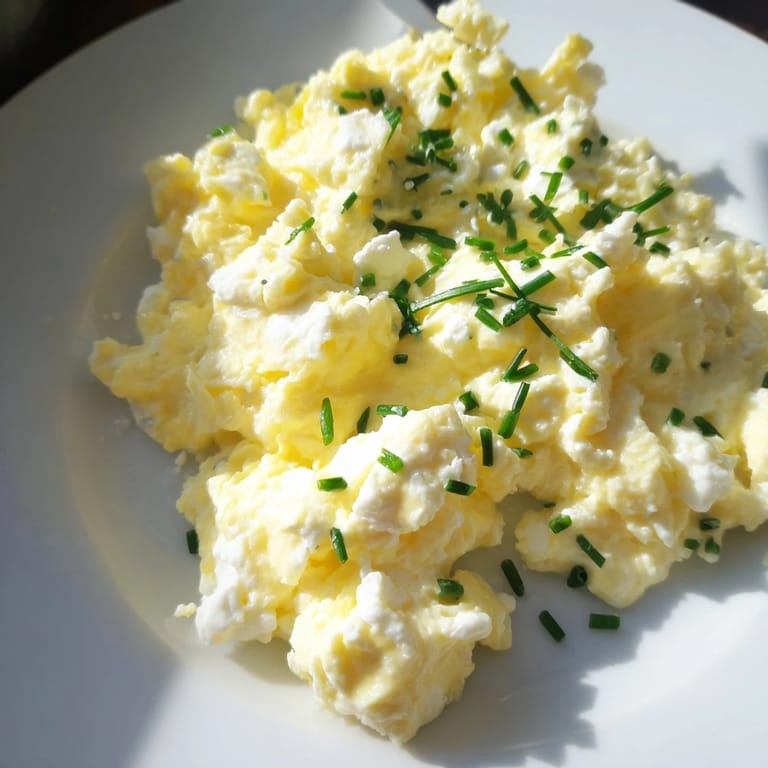
- Chives or parsley: These are optional but they catch the light when you plate them, and they taste bright against the creaminess.
Tired of Takeout? 🥡
Get 10 meals you can make faster than delivery arrives. Seriously.
One email. No spam. Unsubscribe anytime.
Instructions
- Whisk your base:
- Crack the eggs into a medium bowl and add the cottage cheese, milk, salt, and pepper. Whisk until everything is combined and the mixture looks slightly frothy on top, which means you've incorporated air that will make your eggs fluffier. This should take about 30 seconds of actual whisking.
- Get your pan ready:
- Place a nonstick skillet over medium-low heat and add the butter. Watch it melt and start to bubble gently; you want it hot enough to cook the eggs but not so hot that it browns or smokes. When it's ready, the whole pan will smell warm and buttery.
- Pour and pause:
- Pour the egg mixture into the center of the pan and let it sit completely still for about 20 seconds. This sounds counterintuitive, but it lets the bottom set slightly, which gives you something to work with when you start stirring.
- Stir gently and often:
- Using a spatula, gently push the cooked edges toward the center, tilting the pan slightly so the uncooked egg flows to the edges. Keep doing this slowly and deliberately every 15 or 20 seconds, and you'll notice the mixture transforming into soft, creamy curds instead of rubbery chunks.
- Stop before it's done:
- When the eggs look almost set but still have a slight shine and jiggle slightly when you shake the pan, remove it from heat immediately. They'll keep cooking from residual heat, so this is the exact moment to stop.
- Plate and finish:
- Transfer to plates right away and scatter the chives or parsley on top if you're using them. Serve while everything is still warm and the eggs are at their fluffiest.
 Save
Save There was a morning last spring when I made these for someone who'd been vegetarian for two weeks and was worried about getting enough protein. Watching them realize that scrambled eggs could be this good and this nourishing at the same time felt like sharing something simple that actually mattered.
Why Cottage Cheese Is Magic Here
Cottage cheese isn't just adding protein; it's changing the actual structure of how the eggs cook. The curds break down and distribute throughout, creating pockets of creaminess that you'd normally only get by constantly stirring in whole cream. What's clever is that the cottage cheese dissolves enough to stay silky but doesn't make the eggs feel heavy or soggy. I've learned that using cold cottage cheese straight from the fridge actually helps because it keeps everything cooler as you're stirring, giving you more control over the final texture.
The Add-In Philosophy
The beauty of this recipe is that it's a blank canvas without being bland on its own. I've folded in sautéed spinach, roasted tomatoes, smoked salmon, and crumbled feta, and each version somehow tastes different even though the base is identical. The trick is adding mix-ins after you transfer to the plate rather than cooking them in, because you want them to stay distinct and not turn into a homogenized mush. It also means you can make the eggs once and then customize different bowls for different people.
Building a Proper Breakfast Around This
These eggs are rich enough to be the main event, but they're even better as part of a larger plate. I usually serve them alongside something that brings a different texture or temperature—buttered whole-grain toast with a light scrape of marmalade, or fresh avocado slices with a squeeze of lemon. On slower mornings, I'll roast some potatoes or serve them alongside sautéed mushrooms, which adds an earthy note that balances the creaminess of the eggs beautifully.
- Toast should go under the eggs so the steam makes it slightly soggy in the best possible way.
- If you're adding avocado, wait until the last second to slice it so it doesn't oxidize and turn gray.
- A small side salad with lemon vinaigrette cuts through the richness perfectly for a lighter meal.
 Save
Save Making these eggs is one of those small kitchen skills that feels effortless once you understand it, but it's also proof that the simplest dishes often matter the most. I hope they become something you reach for whenever you need breakfast to feel a little bit special.
Recipe FAQ
- → How does cottage cheese affect the eggs?
Cottage cheese adds moisture and creaminess, making the eggs extra fluffy and soft while increasing protein content.
- → Can I use low-fat cottage cheese?
Yes, but full-fat cottage cheese provides a richer texture and creamier taste in the final dish.
- → What’s the best way to cook these eggs?
Cook gently over medium-low heat, stirring occasionally, until just set but still soft and creamy.
- → Are there good garnishes to complement the flavors?
Chopped chives or parsley add freshness, while shredded cheddar or feta enhance the richness.
- → Can I add vegetables to this dish?
Yes, folded in sautéed spinach, tomatoes, or smoked salmon work well to boost flavor and nutrition.