 Save
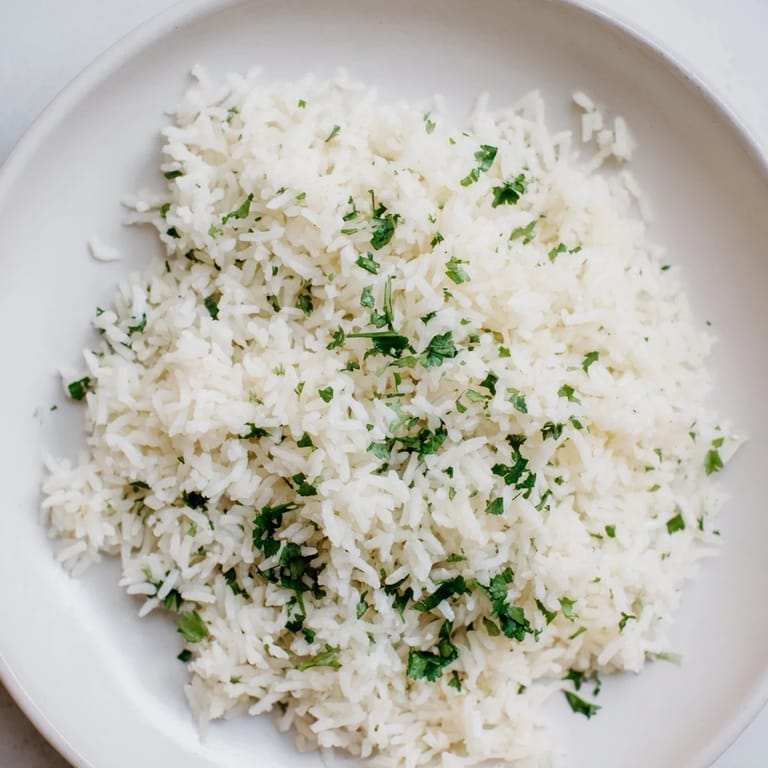
Save There's something magical about the smell of rice toasting in a hot pan—it reminds me of a Saturday afternoon when a friend showed up unannounced with fresh limes and cilantro from her garden, insisting we needed to make something bright and alive to go with grilled chicken. I'd made plain rice a thousand times before, but watching her casually toss in those green herbs and juice those limes transformed it into something I couldn't stop thinking about. That day, I learned that the best side dishes don't stay in the background—they demand attention and respect. Now, cilantro lime rice is my secret weapon whenever I want to turn an ordinary meal into something memorable.
I remember serving this alongside carnitas at a small dinner party, and my neighbor asked for the recipe before dessert even arrived—that's when I realized it wasn't just good, it was the kind of dish people actually remember. The kitchen had filled with steam, and everyone gathered around while I fluffed the rice with a fork, the aroma of lime and cilantro cutting through the warm spice of slow-cooked pork. It became the star of the table in the most unassuming way, which is exactly how I love it.
Ingredients
- Long-grain white rice: The key to fluffy, separated grains—I learned early on that rinsing removes excess starch so each grain stays distinct instead of clumping.
- Neutral oil: Canola or vegetable oil matters here because it carries the heat without competing with the cilantro and lime.
- Water: The 2:1 ratio is reliable, though broth swaps in beautifully if you want deeper flavor.
- Fresh cilantro: Don't skip the freshness—dried cilantro tastes like nothing, and this dish lives or dies by that herbaceous brightness.
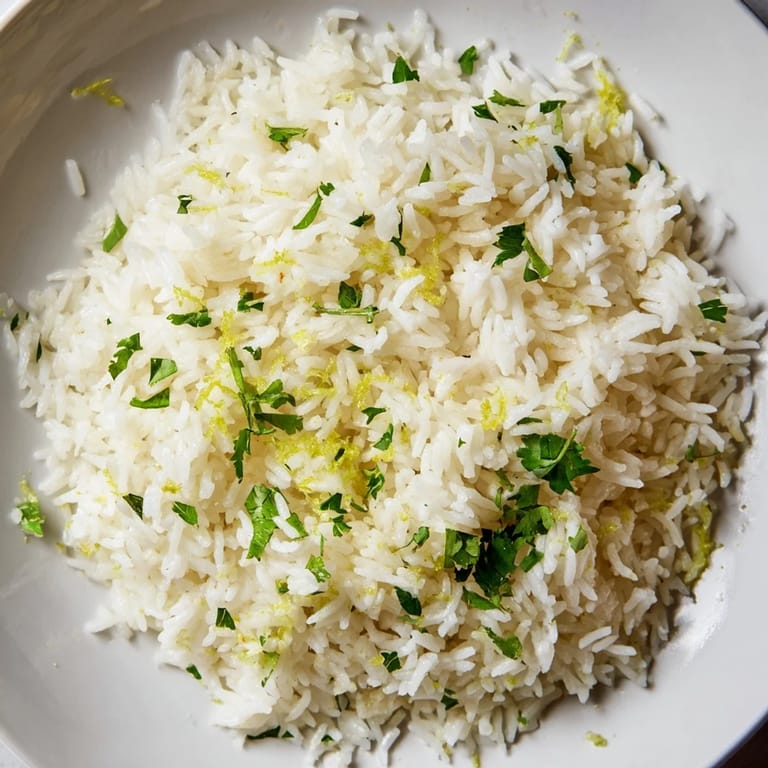
- Fresh lime juice and zest: One lime gives you both, and the zest adds tiny bursts of citrus oil that juice alone can't deliver.
- Butter: Optional but generous—it adds a subtle richness that makes people wonder what your secret is.
- Salt: Season thoughtfully; you're building the foundation for every grain.
Tired of Takeout? 🥡
Get 10 meals you can make faster than delivery arrives. Seriously.
One email. No spam. Unsubscribe anytime.
Instructions
- Rinse the rice until the water runs clear:
- Hold the fine-mesh strainer under cold running water and stir the rice with your fingers until the water flowing through turns from milky white to transparent. This step is tedious but essential—it prevents gluey rice and lets each grain cook independently.
- Toast the rice in hot oil:
- Heat your saucepan over medium heat, then add oil and rice, stirring constantly for about 90 seconds. You're looking for a subtle nutty smell and very faint translucence—this toasting step is the small magic that changes everything.
- Add water and salt, then bring to a boil:
- Watch it bubble up, then immediately lower the heat so just a few lazy bubbles break the surface. Cover tightly and set a quiet timer; you're about to let time and steam do the real work.
- Let it rest, covered, for 5 minutes after cooking:
- This resting period is when the rice finishes absorbing moisture and becomes truly fluffy. Patience here pays off in texture.
- Fluff, fold in the butter, lime juice, zest, and cilantro:
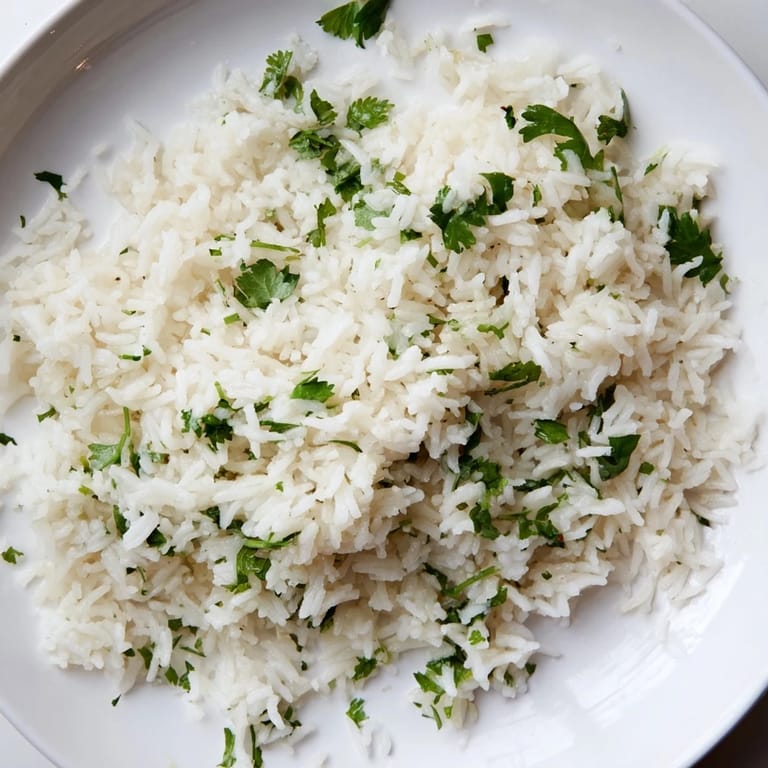
- Use a fork to gently separate the grains, then add everything at once and fold together slowly so the herbs distribute evenly without breaking the rice. The warmth will slightly wilt the cilantro and make the lime juice fragrant.
 Save
Save The moment that made me love this recipe wasn't complicated—it was watching my kid actually eat their vegetables because they were served alongside rice that didn't taste bland. Sometimes the best dishes are the ones that make other good things taste even better.
Flavor Variations That Work
Once you've made the basic version, you'll start seeing possibilities everywhere. Swap half the water for chicken or vegetable broth, and suddenly the rice tastes intentional and savory. Add a minced garlic clove when you toast the rice, and you get a deeper, almost whispered note under the brightness of the lime. I've added a pinch of cumin before sautéing the rice and watched it disappear into the background like an extra voice in a chorus—present but subtle.
What This Rice Loves to Sit Beside
This is the rice that makes tacos taste like something special, the one that belongs next to grilled fish with charred edges, the quiet accomplice to carnitas or pulled pork. It works just as well under roasted vegetables if you're leaning toward a lighter meal, and it never overwhelms what's on the plate—it simply makes everything brighter. Think of it as the friend who shows up to a party and makes everyone else look better without trying.
The Small Details That Matter Most
The difference between okay cilantro lime rice and the kind people ask for again lives in the details you can't see until you taste them. Lime zest matters because those tiny oils add dimension that juice alone misses. Fresh cilantro matters because it's alive in a way dried herbs simply aren't. The toasting step matters because it wakes up the rice and gives it character. Everything here is straightforward—no fancy equipment, no obscure ingredients—which means the success of this dish depends entirely on your attention to small moments.
- If your rice turns out mushy, you probably didn't dry it thoroughly after rinsing, or your heat was too high during cooking.
- Make this recipe once with the basic version before experimenting, so you understand how it should taste when everything is right.
- Leftovers taste wonderful cold the next day stirred into salads or turned into fried rice for lunch.
 Save
Save This is one of those recipes that proves the most satisfying meals don't need to be complicated—just thoughtful. Keep making it until it becomes muscle memory, until you can do it while having a conversation, until one day someone asks for the recipe and you realize it's become part of your cooking voice.
Recipe FAQ
- → How do I keep the rice fluffy?
Rinsing the rice thoroughly before cooking removes excess starch. Cooking with the lid covered and letting it rest after simmering allows moisture to redistribute, ensuring fluffy grains.
- → Can I substitute butter for a vegan alternative?
Yes, plant-based butter or oils work well to add richness without dairy, enhancing flavor while keeping it vegan-friendly.
- → What enhances the lime flavor best?
Using both fresh lime juice and zest amplifies the citrus aroma and taste, providing a bright and balanced flavor profile.
- → Is it possible to add garlic to this dish?
Adding minced garlic during the initial sauté deepens the savory notes, complementing the herbs and citrus beautifully.
- → Can broth be used instead of water?
Substituting half or all of the water with low-sodium chicken or vegetable broth enriches the rice with additional savory layers.