 Save
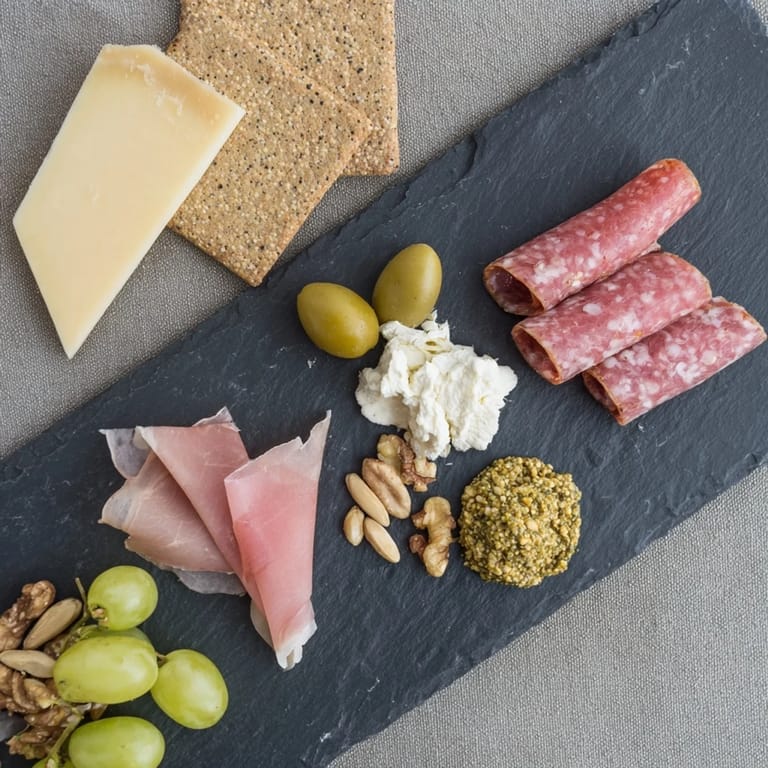
Save I discovered the magic of a solo charcuterie board on a quiet Tuesday afternoon when I realized that eating well doesn't require cooking or feeding a crowd. It was one of those moments where I stopped rushing through lunch and actually savored each component—the salty richness of prosciutto, the creamy give of aged cheese, the bright pop of a cornichon. That simple arrangement on a small slate plate transformed an ordinary lunch into something that felt intentional and luxurious. Since then, I've made this my go-to whenever I want to feel like I'm dining in a Parisian café without leaving my kitchen.
I remember making this for myself after a particularly long week, and instead of eating at my desk, I sat by the window with a small glass of wine and took my time. Twenty minutes that could have been five became this pocket of calm in my day. That's when I realized this isn't just food—it's permission to slow down and be good to yourself without needing an occasion.
Ingredients
- Prosciutto, 2 slices: The delicate, paper-thin slices are essential here. Buy from the deli counter if you can, and ask them to slice it fresh. The better the prosciutto, the less you need.
- Soppressata or salami, 2 slices: These cured meats provide a different texture and subtle spice that balances the richness of cheese. You can substitute with whatever quality cured meat you love.
- Aged cheddar or brie, 30 g (1 oz): The aged cheddar brings a sharp, crystalline quality, while brie melts gently on your tongue. Choose one or do half of each if your board feels large enough.
- Soft goat cheese or blue cheese, 30 g (1 oz): This is your creamy, tangy moment. Goat cheese is milder and pairs well with berries; blue cheese is bold and commands respect. Pick based on your mood.
- Seedless grapes or fresh berries, 1 small handful: The sweetness and freshness of fruit cuts through the salt and richness. I learned this the hard way after a board that felt one-note without them.
- Mixed nuts (almonds, walnuts), 1 tablespoon: A quiet crunch that adds nutritional substance and textural contrast. Toast them lightly if you have time—it deepens their flavor.
- Cornichons or baby gherkins, 2–3: The vinegary snap is your palate cleanser, the little moment of brightness between bites. These became non-negotiable after my first properly balanced board.
- Whole grain mustard, 1 teaspoon: More texture and personality than smooth mustard. A tiny dollop is all you need; it's an accent, not the main event.
- Crackers or sliced baguette, 3–4: These are your vehicle, your canvas. Fresh baguette slices have a better texture than day-old, and they won't compete with delicate cheeses the way thick crackers might.
Tired of Takeout? 🥡
Get 10 meals you can make faster than delivery arrives. Seriously.
One email. No spam. Unsubscribe anytime.
Instructions
- Choose your stage:
- Select a small slate coaster, wooden board, or appetizer plate as your base. The surface matters more than you'd think—slate cools the cheese naturally and looks intentional, while wood brings warmth. I prefer a small surface because it forces thoughtful arrangement.
- Fold the meats with intention:
- Arrange the prosciutto in gentle folds or loose rolls on one side of the plate. Don't lay it flat—the folds create height and movement. Do the same with the soppressata or salami next to it. The goal is to suggest abundance while keeping everything visible and accessible.
- Place the cheeses with purpose:
- Position your aged cheddar on the opposite side from the cured meats, and tuck the goat cheese or blue cheese into a remaining space. Keep them separate so each cheese's character shines. If the cheddar is a thick slice, you can leave it as is; if it's thinner, let it overlap slightly for visual interest.
- Fill the gaps with color and texture:
- This is where the board comes alive. Scatter your grapes or berries into the empty spaces—they'll catch light and add visual joy. Pile the nuts nearby, and position the cornichons so they're easy to reach. Think about balance: opposite colors across the board create harmony.
- Add the mustard moment:
- Place a small dollop of whole grain mustard in a remaining corner or gap. It's small, but it's important. This is the ingredient that makes you pause and appreciate the thought that went into the arrangement.
- Stack the crackers with care:
- Arrange your crackers or baguette slices in a neat stack or lean them against something on the board. They should look intentional, not scattered. This creates a visual anchor and suggests that everything here is meant to be eaten together.
- Step back and adjust:
- Now comes the part that feels almost meditative: step back and look at your board. Balance the colors—bright grapes against dark meat, pale cheese against deep mustard. Shift things until it feels harmonious, until it looks like something you'd want to photograph or share. This takes maybe a minute, and it transforms the board from ingredients to an experience.
- Serve with intention:
- Bring it to yourself (or to a guest) immediately, before anything wilts or warms. The crackers stay crisp, the cheese stays cool, and every element tastes exactly as it should.
 Save
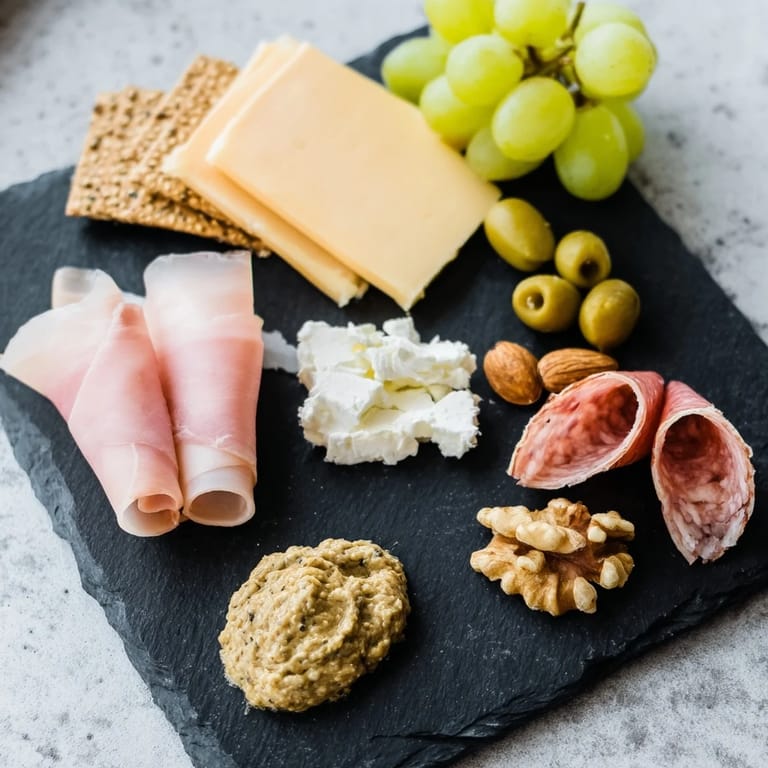
Save I had a friend over recently, and she commented that my solo charcuterie board looked like something from a magazine. It struck me that by taking just ten minutes to care about arrangement and quality ingredients, I'd created something that felt special. That's the real magic here—it's not complicated, but it is thoughtful. And thoughtfulness, it turns out, makes food taste better.
How to Choose Quality Ingredients
The success of this board lives or dies by ingredient quality, and I've learned where to invest. For cured meats, visit the deli counter and ask for recommendations—there's usually someone there who cares deeply about what they're selling. For cheese, buy from a cheesemonger if you can, or at least from a store with good turnover. Look for color, smell it if possible, and ask questions. The staff at a good cheese counter will know exactly which cheese is at its peak. For everything else—the crackers, nuts, fruit—buy what you'd actually want to eat on its own. If you wouldn't snack on the almonds plain, they don't belong on the board.
The Art of the Arrangement
I used to think arrangement was just about making it look pretty, but I've discovered it's actually about function. When you fold the cured meats, you're creating layers of flavor as someone picks them up. When you separate the cheeses, you're making sure the delicate goat cheese doesn't get overwhelmed by the stronger cheddar. When you scatter the fruit and nuts, you're creating visual rhythm and ensuring every bite has the possibility of surprise. The arrangement is a conversation between you and the person eating it, even if that person is you.
Variations and Swaps for Every Mood
This board thrives on flexibility because it's really about celebrating what you love. Some days I lean into Italian—swap the meats for spicy soppressata and nduja, and use burrata instead of goat cheese. Other times I go French—creamy brie, dry rosettes of saucisson, sliced radishes instead of berries. I've experimented with adding fig jam (just a tiny spoonful), candied walnuts, or roasted grapes that intensify in sweetness. The one non-negotiable element is that each component should be something you genuinely want to eat.
- Try adding dark chocolate squares for a sweet finish—the bitterness bridges between savory and sweet in unexpected ways
- Roast your nuts with a tiny pinch of salt and smoke them in a dry pan for two minutes before adding them to deepen their flavor
- If you want to add vegetables, keep them crisp and refreshing—sliced radishes, cucumber, or bell pepper strips, not soft or cooked items that lose their appeal
 Save
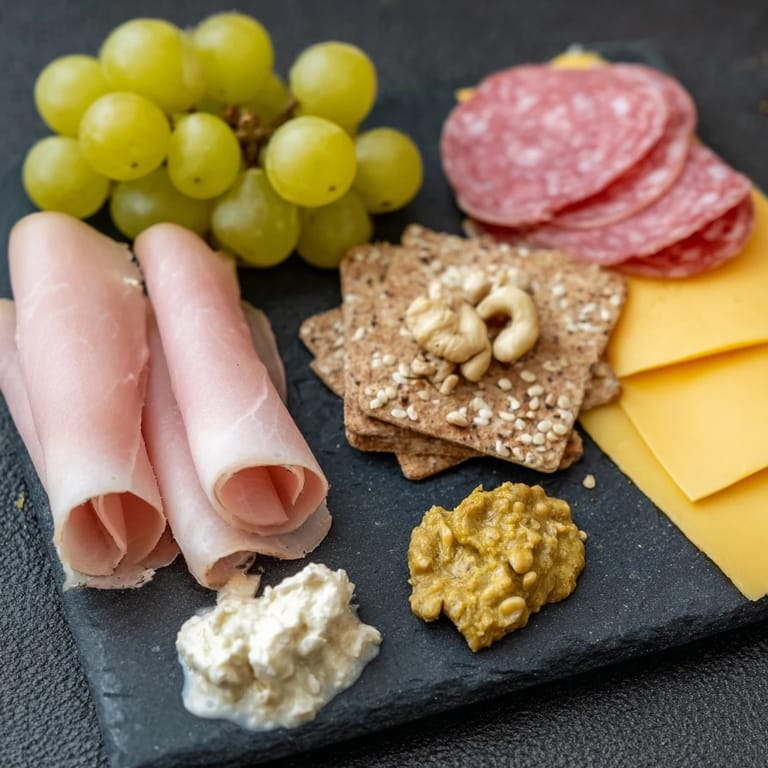
Save What started as a way to eat lunch has become one of my favorite moments in any day—ten minutes of quiet intention, beautiful ingredients, and the simple pleasure of eating well. I hope you find the same.
Recipe FAQ
- → What meats work best for this arrangement?
Thinly sliced prosciutto and soppressata or salami provide a flavorful, textured base ideal for balancing rich cheeses.
- → Which cheeses are recommended?
Aged cheddar or brie paired with soft goat cheese or blue cheese create a creamy, tangy contrast on the board.
- → What accompaniments enhance the flavors?
Fresh grapes or berries, mixed nuts, and cornichons add sweetness, crunch, and acidity, enriching the tasting experience.
- → How should the elements be arranged?
Arrange meats folded on one side, cheeses adjacent but separate, and fill gaps with accompaniments for a balanced, attractive presentation.
- → Can I customize the board for dietary needs?
Yes, use gluten-free crackers and swap meats or cheeses to accommodate preferences or allergies.